 By Blaze Sky
The modern automotive industry has undergone a quiet revolution over the past decade. While vehicle engineering once focused almost exclusively on horsepower, mechanical efficiency, and exterior styling, contemporary automotive design centers heavily on the software inside the cabin. Today, drivers no longer view their vehicles merely as mechanical tools for transportation. Instead, automobiles have evolved into intelligent, connected spaces that actively assist, protect, and entertain their occupants.
Smart vehicle features have transformed routine daily commutes from stressful obligations into comfortable, efficient, and seamlessly connected experiences. From advanced driver assistance systems that mitigate highway fatigue to intuitive cabin technologies that adapt to individual preferences, these modern innovations deliver tangible benefits to drivers every single day. Here is an in-depth look at how smart vehicle features are elevating the daily driving experience.
Advanced Driver Assistance and Stress Reduction
Navigating daily traffic involves managing constant environmental stimuli, sudden road hazards, and monotonous highway stretches. Smart driver assistance technologies act as a second set of eyes, reducing cognitive fatigue and preventing common driving mishaps.
Adaptive Cruise Control and Stop-and-Go Assistance
Traditional cruise control was useful on open, empty highways, but it proved useless in fluctuating daily traffic. Adaptive cruise control uses forward-facing radar and cameras to monitor the distance to the vehicle ahead. The system automatically adjusts speed to maintain a safe, pre-set following gap, slowing the car down when traffic decelerates and accelerating back up to speed when the lane clears.
Advanced stop-and-go variants take this convenience further by bringing the vehicle to a complete stop in heavy gridlock and automatically resuming acceleration when traffic moves again. This single feature drastically reduces leg fatigue and mental strain during peak rush-hour commutes.
Lane Centering and Steering Assistance
Lane-keeping systems have evolved from basic warning beeps into active steering assistance. Using optical cameras that track road lane markings, lane centering systems gently apply subtle steering inputs to keep the vehicle centered within its lane. Rather than replacing the driver, this continuous support reduces the micro-steering corrections drivers make over long trips, keeping them fresher and more alert.
Surround-View Camera Systems and Automated Parking
Parking in tight urban spots or navigating crowded shopping center parking lots frequently causes minor vehicle scrapes and stress. Surround-view camera systems merge feed data from multiple exterior cameras to display a seamless bird’s-eye 360-degree top-down view of the vehicle on the central touchscreen. Drivers can see curb distances, parking lines, and low obstacles clearly.
Additionally, automated parking systems can identify suitable parallel or perpendicular spaces and take control of steering, acceleration, and braking to park the vehicle with sub-inch accuracy.
Connected Cabin Technologies and Convenience
Inside the cabin, smart connectivity features eliminate friction points, ensuring that the transition between home, office, and vehicle is entirely effortless.
Wireless Smartphone Integration and Voice Commands
Fumbling with physical cables or navigating complex, laggy manufacturer menus is becoming a thing of the past. Wireless smartphone integration projects a familiar smartphone interface directly onto the central dashboard screen instantly upon entering the vehicle.
-
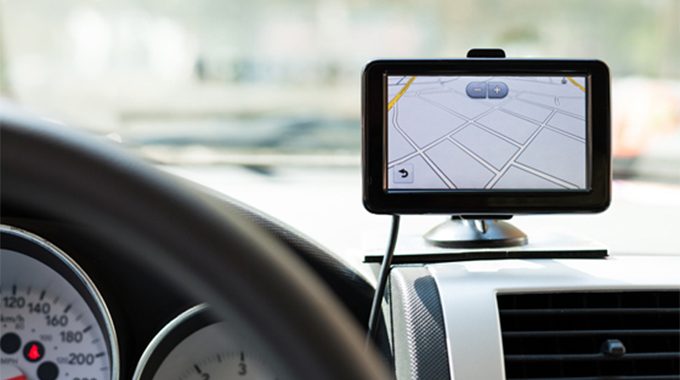
Hands-Free Navigation: Real-time satellite mapping uses live traffic telemetry to reroute drivers around sudden accidents or road construction automatically.
-
Natural Voice Processing: Modern voice recognition platforms allow drivers to adjust climate controls, send text messages, or select music playlists using natural speech patterns without ever taking their eyes off the road or hands off the steering wheel.
Smartphone Remote Services and Digital Keys
Connected smartphone applications give drivers unprecedented control over their vehicles from virtually anywhere. Drivers can lock or unlock doors, check real-time fuel levels or electric battery charge status, and locate their parked car in massive venue parking lots.
Furthermore, remote engine start functionality allows drivers to pre-condition the interior temperature. On freezing winter mornings or scorching summer afternoons, the vehicle can heat or cool the cabin, activate heated seats, and defrost windows before the driver steps outside. Digital key technology also permits drivers to unlock and start their car using their smartphone or smartwatch, eliminating the need to carry physical key fobs.
Personalized Comfort and Ergonomic Intelligence
Modern cabins prioritize occupant well-being by utilizing smart sensors and motor controls to adapt the interior environment to individual driver profiles.
Driver Memory Profiles and Automatic Ergonomics
When multiple family members share a vehicle, resetting seating positions, mirror angles, and climate preferences can be frustrating. Smart memory systems store individual driver profiles tied to specific key fobs or smartphone digital keys. Upon opening the door, the vehicle automatically adjusts the driver seat, steering column height, side mirrors, and infotainment preferences to match the approaching driver’s pre-set profile.
Climate Control Intelligence and Purified Cabin Air
Smart climate systems go beyond simple temperature settings. Multi-zone climate control monitors solar heat load sensors and cabin humidity levels to adjust fan speeds and airflow distribution dynamically. Advanced air purification systems use high-efficiency particulate filters and ionization sensors to detect elevated levels of outdoor pollution, dust, or exhaust fumes, automatically switching to internal air recirculation and trapping microscopic allergens before they enter the passenger cabin.
Ambient Lighting and Soundscape Customization
Sensory comfort plays a major role in mood regulation during long drives. Configurable ambient LED lighting allows drivers to customize interior cabin lighting with soft, warm, or cool tones that reduce eye strain during nighttime driving. Combined with active noise cancellation technologies that use cabin microphones and opposing sound frequencies to mute tire whine and wind noise, modern vehicle interiors provide a serene environment akin to a quiet living room.
Intelligent Safety Systems and Hazard Mitigation
While convenience features enhance comfort, intelligent safety systems work continuously in the background to prevent collisions and protect vehicle occupants.
Automatic Emergency Braking and Cross-Traffic Alerts
Forward collision warning systems combined with automatic emergency braking detect sudden stops by the vehicle ahead, as well as pedestrians or cyclists crossing the vehicle path. If the driver fails to react quickly enough, the vehicle automatically applies full braking force to avoid or mitigate an impact.
Similarly, rear cross-traffic alert systems monitor blind spots when backing out of driveways or parking stalls. If a vehicle approaches from the side, the system alerts the driver with visual and audible warnings, automatically applying the brakes if necessary.
Blind-Spot Monitoring and Exit Warning Alerts
Radar sensors mounted in the rear corners of the vehicle monitor adjacent travel lanes. When another car enters the driver’s blind spot, an indicator light illuminates on the corresponding side mirror. If the driver activates the turn signal toward an occupied lane, the indicator flashes and an audible chime sounds. Advanced exit warning systems keep these radar sensors active even after the vehicle is parked, warning occupants if a bicycle or car is approaching before they open their door into traffic.
The Cumulative Impact on Modern Mobility
Smart vehicle features are far more than flashy gimmicks; they represent a fundamental evolution in automotive design focused on human comfort, efficiency, and protection. By handling tedious driving tasks, providing seamless connectivity, adapting to personal preferences, and watching for unseen hazards, smart technologies make everyday travel safer, more enjoyable, and significantly less tiring. As software continues to advance, the relationship between drivers and their cars will only grow more intuitive, comfortable, and supportive.
Frequently Asked Questions
Do smart vehicle features make drivers overly reliant on technology and less attentive?
While smart features assist drivers significantly, they are engineered as support systems rather than full replacements for human supervision. Features like lane centering and adaptive cruise control require the driver to keep their hands on the wheel and eyes on the road. When used correctly, these features actually reduce cognitive fatigue, allowing drivers to remain more alert and better prepared to react to unexpected hazards.
Can smart vehicle features be retrofitted into older cars?
Certain basic smart features can be added to older vehicles using aftermarket equipment, such as backup cameras, smart dashcams, and aftermarket touchscreen head units that support wireless smartphone integration. However, complex integrated systems like adaptive cruise control, automatic emergency braking, and surround-view camera arrays rely on factory-installed sensor networks and vehicle control units that cannot be retrofitted into older models.
How do over-the-air software updates improve smart vehicle features over time?
Vehicles equipped with over-the-air update capability can receive software enhancements, performance tweaks, and new features remotely via cellular or Wi-Fi connections. This means that instead of a vehicle’s technology becoming outdated as it ages, the manufacturer can refine diagnostic algorithms, improve user interfaces, and add new capabilities throughout the vehicle’s operational lifespan without requiring a shop visit.
What happens if a smart feature sensor gets dirty or blocked by weather?
Radar sensors, ultrasonic sensors, and optical cameras require a clear line of sight to function accurately. Snow, heavy mud, road salt, or heavy downpours can temporarily obscure these sensors. When this occurs, the vehicle’s computer will automatically disable the affected smart features and display a warning message on the instrument cluster, instructing the driver that manual control is required until the sensors are cleared.
Do smart vehicle connectivity features raise data privacy concerns?
Connected vehicles gather telemetry data regarding location, driving habits, system diagnostics, and infotainment usage. Reputable automakers adhere to strict privacy policies and data protection regulations, allowing drivers to customize their data-sharing preferences through vehicle settings or smartphone app controls. Drivers can opt out of location tracking or telematics data sharing, though doing so may disable certain connected features.
Are smart vehicle features expensive to repair if they get damaged in a minor collision?
Because smart sensors, radar units, and cameras are frequently housed behind bumpers, front grilles, side mirrors, and windshields, even minor fender benders can damage delicate electronic components. Repairing a vehicle with smart features often involves replacing expensive sensors and performing precise digital recalibrations, making repairs more costly compared to older, purely mechanical vehicles.
How do smart features benefit drivers during severe winter weather?
Smart features aid winter driving by managing traction and cabin conditions. Remote start pre-heats the cabin, clears iced windshields, and warms battery systems before driving. On the road, intelligent all-wheel-drive systems analyze wheel slip hundreds of times per second to distribute torque effectively, while smart stability controls adjust engine power and individual wheel braking to prevent skids on icy roads.
What is your reaction?
Excited
0
Happy
0
In Love
0
Not Sure
0
Silly
0