 By Blaze Sky
Purchasing a used car is one of the most practical financial decisions a consumer can make. Buying pre-owned allows drivers to avoid the steep initial depreciation curve that hits brand-new vehicles the moment they leave the showroom lot. However, taking ownership of a pre-owned vehicle means taking responsibility for a machine that already has miles on its odometer and wear on its mechanical components.
While modern automobiles are engineered to last well past one hundred thousand miles, achieving long-term mechanical reliability requires consistent, proactive care. A used vehicle does not come with a clean slate, but with the right maintenance routine, you can easily extend its operational lifespan for years. Here is a comprehensive guide to used car maintenance strategies that preserve vehicle health, prevent expensive breakdowns, and maximize your investment.
Establishing a Baseline Service Baseline Immediately
When you acquire a used vehicle, the previous owner’s maintenance habits are often uncertain or incomplete. Even if the seller provided service receipts, establishing a fresh maintenance baseline ensures that no critical system is operating on degraded fluids or worn components.
Complete Fluid Replacement Protocol
Automotive fluids deteriorate over time due to heat, friction, and chemical oxidation. Replacing all major fluids immediately after purchase gives you absolute certainty regarding their quality and lifespan.
-
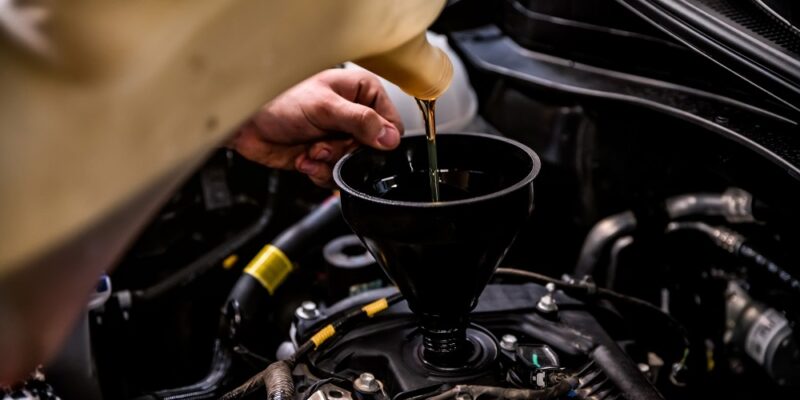
Engine Oil and Filter: Change the engine oil using the exact viscosity grade recommended by the manufacturer. Opting for high-mileage full synthetic oil provides extra seal conditioners that prevent minor oil weeping in older engines.
-
Transmission Fluid: Automatic and manual transmissions require fresh fluid to maintain smooth gear changes and prevent internal clutch wear. Avoid aggressive high-pressure power flushes on high-mileage transmissions; opt for a standard drain-and-fill service instead.
-
Engine Coolant: Flush the cooling system and refill it with fresh antifreeze to protect the radiator, water pump, and internal engine passages from corrosion and scale buildup.
-
Brake and Power Steering Fluids: Moisture contamination lowers the boiling point of brake fluid, leading to spongy pedal response. Fresh brake and power steering fluids protect internal hydraulic pumps, calipers, and steering racks from premature failure.
Comprehensive Hose and Belt Replacements
Rubber components under the hood age constantly, regardless of whether the vehicle is driven daily or parked in a driveway. Inspect drive belts, serpentine belts, and radiator hoses for signs of dry rot, micro-cracking, soft spots, or fraying. If the vehicle utilizes a rubber timing belt rather than a steel timing chain, check the service history immediately. A snapped timing belt on an interference engine can cause catastrophic piston-to-valve collisions, destroying the engine entirely.
Prioritizing Engine and Powertrain Protection
The engine and transmission represent the most expensive mechanical assemblies in any automobile. Protecting these core systems is paramount if you intend to keep a used vehicle running smoothly for the long haul.
Engine Air Filter and Fuel System Hygiene
An engine requires clean air and precise fuel delivery to maintain efficient combustion. A clogged air filter starves the engine of oxygen, forcing it to burn additional fuel and work harder to generate power. Replacing the air filter every twelve thousand miles protects internal cylinder walls from airborne dust and abrasive debris.
Additionally, used vehicles often accumulate carbon deposits on fuel injectors, intake valves, and throttle bodies. Adding a dedicated fuel system cleaner to the gas tank every few thousand miles helps dissolve varnish and carbon buildup. This simple step restores precise fuel atomization, smooths out rough idling, and preserves throttle responsiveness.
Thermal Management and Overheating Prevention
Overheating is the leading cause of sudden engine failure in high-mileage vehicles. Blown head gaskets, warped cylinder heads, and cracked engine blocks almost always result from severe overheating events. Regularly inspect the radiator cap, thermostat, cooling fan operation, and water pump for subtle leaks or mechanical play. Catching a small cooling system leak early prevents catastrophic engine destruction on the highway.
Preserving Suspension, Steering, and Chassis Health
A used car may run well under the hood, but worn suspension components will make it feel sloppy, uncomfortable, and unsafe on the road. Restoring chassis stability protects surrounding mechanical systems from excessive vibration and shock.
Shock Absorbers, Struts, and Rubber Bushings
Suspension components degrade so gradually that drivers rarely notice the decline in ride quality over time. Worn shock absorbers allow the tires to bounce excessively over bumps, accelerating tire wear and increasing braking distances. Inspect shock bodies for oil leaks and replace aged control arm bushings, sway bar links, and ball joints. Fresh suspension hardware restores factory handling tightness and keeps the vehicle tracking securely in its lane.
Wheel Alignment and Tire Rotation Practices
Uneven tire wear is a common issue on pre-owned cars due to neglected wheel alignments or worn steering joints. Have a professional shop align the front and rear wheels to factory specifications. Rotate your tires every five thousand to seven thousand miles to distribute tread wear evenly across all four wheels. Proper alignment and routine rotation significantly extend tire lifespan and reduce rotational strain on wheel bearings and drive axles.
Protecting the Body and Electrical Architecture
Extending a used car’s lifespan involves more than just mechanical care under the hood. Preserving the structural chassis and delicate electrical components prevents rust damage and electronic glitches.
Underbody Rust Prevention and Paint Preservation
Rust is the silent killer of older automobiles, particularly in regions that experience severe winters and salted roadways. Wash the undercarriage regularly during winter months to remove corrosive road salt. Applying an oil-based rust-inhibiting spray to the frame rails, rocker panels, and suspension mounting points creates a protective barrier against moisture and oxidation. Washing and waxing the exterior paint protects the clear coat from ultraviolet degradation, preventing clear coat peeling and body panel rust.
Electrical Battery and Alternator Care
Modern vehicles rely heavily on stable electrical voltages to operate engine management computers, transmission control modules, and safety systems. Corrosion on battery terminals creates electrical resistance, forcing the alternator to work harder and causing erratic computer sensor readings. Clean battery terminals with a wire brush, apply anti-corrosion spray, and test battery voltage annually to ensure reliable starting power.
Frequently Asked Questions
Is synthetic oil safe to use in an older, high-mileage used car?
Yes, synthetic oil is completely safe and highly beneficial for older engines. Modern synthetic lubricants provide superior thermal stability, better cold-start protection, and advanced detergent packages that keep internal engine components clean. While an old myth suggested synthetic oil causes engine leaks, synthetics simply clean out old sludge that may have been temporarily plugging existing dry-rotted seals.
How can I tell if the previous owner neglected routine maintenance?
Key indicators of maintenance neglect include dark, gritty engine oil, a sludgy oil filler cap, dark brown or burnt-smelling transmission fluid, rusty cooling fluid in the expansion tank, uneven tire wear, squealing brakes, and thick carbon deposits inside the exhaust tip. A vehicle with incomplete service documentation or multiple visual defects under the hood usually indicates deferred maintenance.
How often should spark plugs be replaced on a used vehicle?
Spark plug replacement intervals depend on the plug material. Standard copper spark plugs generally require replacement every thirty thousand miles. Premium platinum and iridium spark plugs last much longer, typically requiring replacement every sixty thousand to one hundred thousand miles. Replacing aged spark plugs prevents engine misfires, optimizes fuel economy, and protects ignition coils from electrical overload.
What should I do if my used car does not have a clear service history?
If service records are missing, treat the vehicle as if all routine maintenance is overdue. Immediately change the engine oil, oil filter, engine air filter, cabin air filter, and coolant. Inspect the brakes, tires, belts, and battery. Having a trusted mechanic perform a comprehensive bumper-to-bumper inspection will identify any urgent repair needs and establish a reliable baseline for future servicing.
Can driving habits really impact the lifespan of a used car?
Yes, driving style plays a major role in vehicle longevity. Aggressive acceleration, hard braking, speeding over speed bumps, and shifting between reverse and drive while the vehicle is still rolling place immense stress on the engine, transmission, and suspension. Smooth steering inputs, gradual acceleration, and allowing the engine to warm up briefly before driving significantly reduce mechanical wear over time.
Is it worth fixing minor oil leaks on a car with high mileage?
It depends on the location and severity of the leak. Minor oil weeping around a valve cover gasket is relatively inexpensive to repair and prevents oil from dripping onto hot exhaust components or soaking rubber wiring harnesses. However, deep rear main seal leaks can be costly to repair due to labor requirements. If a leak is minor, monitoring oil levels frequently may suffice, but significant leaks should be addressed to prevent low oil pressure and engine damage.
How long can a well-maintained used car realistically last?
With consistent maintenance, prompt repairs, and sensible driving habits, many modern used cars can easily reach two hundred thousand to three hundred thousand miles on their original engine and transmission. The key to extreme longevity is fixing small mechanical issues immediately before they cascade into major component failures.
What is your reaction?
Excited
0
Happy
0
In Love
0
Not Sure
0
Silly
0