
 By Blaze Sky
Introduction: Car Repairs as a Cornerstone of Vehicle Longevity
Owning a car is more than a convenience—it’s a commitment. From smooth commutes to spontaneous road trips, vehicles are silent partners in our daily lives. However, like all machines, they wear with time, and car repairs become not only necessary but inevitable. Far from being a mere hassle, timely and well-informed repairs safeguard performance, extend lifespan, and preserve resale value. Whether you’re a hands-on enthusiast or someone who prefers leaving things to a trusted mechanic, understanding the nuances of car repairs empowers you to make wiser decisions and avoid unnecessary expenses.
Understanding the Importance of Timely Repairs
Car issues, however minor they may seem, rarely fix themselves. What begins as a faint squeak or a flickering dashboard light can quickly escalate into a more complex, costly, and potentially dangerous situation. Proactive repair management is the hallmark of responsible car ownership.
Key Reasons to Prioritize Repairs:
-
Safety First: Faulty brakes, worn-out tires, or engine issues pose immediate risks to you and others
-
Cost Savings: Early intervention usually means simpler, less expensive fixes
-
Efficiency: A well-maintained vehicle runs more smoothly and consumes less fuel
-
Longevity: Regular repairs contribute to the car’s overall durability and health
-
Resale Value: A documented history of maintenance enhances buyer confidence
Recognizing the Warning Signs
One of the most valuable skills a car owner can develop is the ability to detect early warning signs of mechanical trouble. Unusual noises, dashboard indicators, or changes in performance should never be ignored.
Common Red Flags to Watch For:
-
Check Engine Light: Can signal anything from a loose gas cap to serious engine trouble
-
Strange Noises: Squealing, grinding, or knocking often indicate issues with brakes, suspension, or engine parts
-
Vibrations or Shaking: May be caused by unbalanced tires, worn brake components, or misaligned wheels
-
Decreased Fuel Economy: Often linked to problems with the fuel system, air filters, or tire pressure
-
Fluid Leaks: Pools or spots under the car can point to coolant, oil, or brake fluid leaks
Essential Car Repairs Every Owner Should Understand
Not every repair requires a deep understanding of automotive engineering, but familiarity with common issues can help you speak the language of your mechanic—and avoid being overcharged or misled.
Engine Repairs:
-
Spark Plug Replacement: Worn plugs reduce performance and fuel efficiency
-
Timing Belt/Chain: Critical for engine synchronization; failure can lead to catastrophic damage
-
Head Gasket Repair: Prevents coolant and oil from mixing; a blown gasket is serious and expensive
Brake System Repairs:
-
Pad Replacement: Typically needed every 30,000 to 70,000 miles, depending on driving habits
-
Rotor Resurfacing or Replacement: Warped rotors cause vibrations during braking
-
Brake Fluid Flush: Essential for maintaining brake responsiveness
Suspension and Steering Repairs:
-
Shock and Strut Replacement: Affects ride quality and control
-
Alignment and Balancing: Essential for tire longevity and handling
-
Steering Rack and Linkage Repairs: Needed when steering becomes loose or unresponsive
Transmission Repairs:
-
Fluid Change: Prevents overheating and component wear
-
Clutch Repairs (Manual): Worn clutches make gear shifting difficult
-
Automatic Transmission Servicing: May involve solenoid or torque converter repairs
DIY vs. Professional Repairs: Knowing the Limits
In an age of online tutorials and affordable tools, many car owners are embracing do-it-yourself repairs. While this can be cost-effective and satisfying, it’s crucial to recognize the line between simple maintenance and complex mechanical work.
Safe DIY Tasks:
-
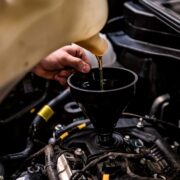
Oil changes and filter replacement
-
Battery replacement and terminal cleaning
-
Replacing wiper blades and light bulbs
-
Installing new air filters or cabin filters
-
Checking and topping up fluids
When to Call a Professional:
-
Internal engine or transmission work
-
Electrical system diagnostics
-
Brake system overhauls
-
Suspension replacement
-
Any repair requiring vehicle lifting beyond jack-stand level
Choosing a Trustworthy Mechanic
Entrusting your vehicle to the right mechanic can save time, money, and headaches. Reputation, transparency, and technical skill are non-negotiables when selecting a repair shop.
Traits of a Reliable Auto Repair Shop:
-
Certifications: Look for ASE (Automotive Service Excellence) credentials
-
Clear Estimates: Reputable shops provide written estimates and explain charges in detail
-
Warranty on Work: A good shop will guarantee labor and parts for a specific period
-
Customer Reviews: Online feedback often reveals the real customer experience
-
Specialization: Certain issues, especially with luxury or foreign cars, require brand-specific expertise
Preventive Maintenance: Reducing the Need for Major Repairs
An ounce of prevention is worth a pound of cure. Consistent maintenance is the best way to minimize the need for unexpected repairs and extend the life of your vehicle.
Top Preventive Maintenance Tasks:
-
Regular Oil Changes: Protects engine components from wear
-
Tire Rotations and Alignment Checks: Promotes even wear and optimal handling
-
Battery Tests and Replacements: Avoids getting stranded unexpectedly
-
Coolant Flushes and Radiator Checks: Prevents overheating and engine damage
-
Scheduled Inspections: Follow the manufacturer’s maintenance schedule for peace of mind
The Future of Car Repairs: Embracing Innovation
The automotive world is rapidly evolving, with electric vehicles (EVs), autonomous systems, and AI-driven diagnostics reshaping how we think about repairs. While these technologies bring efficiency, they also demand new skill sets and specialized tools.
Emerging Trends in Car Repairs:
-
Onboard Diagnostics and Predictive Maintenance: Real-time alerts that warn drivers before a part fails
-
Mobile Repair Services: Mechanics who come to you, saving time and often cost
-
Software-Based Fixes: Many EVs and modern vehicles now receive updates remotely
-
Eco-Friendly Repair Practices: Emphasis on sustainable materials, fluids, and recycling
Conclusion: Repair as a Form of Respect
Caring for a vehicle through timely, informed repairs isn’t just about preserving machinery—it’s about honoring the investment and utility it provides. A well-maintained car not only drives better but also keeps you and your loved ones safer. Whether you’re patching a tire, rebuilding a transmission, or simply listening more attentively to your car’s sounds, every repair reflects respect—for the road, for the machine, and for yourself. In a world that often rewards short-term thinking, car repairs remind us of the enduring value of care, consistency, and responsibility.