Driving Tips

Mastering the Road: Timeless Driving Tips for a Safer, Smoother Journey

Introduction: Driving Beyond the Basics

Driving is more than a mechanical skill—it’s a responsibility, a craft, and for many, a daily necessity. While most drivers are taught the basics to pass a licensing exam, true mastery of the road comes with experience, awareness, and the conscious decision to drive responsibly. Whether you’re navigating city streets or embarking on a long-distance road trip, refining your driving habits can lead to a safer, more comfortable, and more efficient experience. With the increasing complexity of vehicles and road systems, even seasoned drivers benefit from revisiting and applying thoughtful driving tips.

The Foundation: Prepare Before You Drive

A successful journey begins before you even turn the ignition. Preparation not only enhances comfort but significantly improves safety and responsiveness on the road.

Pre-Driving Essentials:

  • Inspect Your Vehicle: Check tire pressure, oil level, brake lights, and windshield wipers regularly.

  • Adjust Your Seat and Mirrors: Ensure proper posture and a clear view from all angles to reduce fatigue and blind spots.

  • Secure Loose Items: Unsecured objects can become dangerous projectiles in sudden stops or collisions.

  • Plan Your Route: Use a GPS or smartphone to anticipate traffic, detours, and estimated arrival times.

  • Eliminate Distractions: Set up your music or navigation before starting to drive. Silence or store your phone safely away.

Driving with Awareness: The Art of Mindful Navigation

The most important trait of a skilled driver is awareness—not only of their vehicle but also of surrounding traffic, road conditions, and potential hazards. Developing a mindful approach can prevent accidents and reduce stress.

Keys to Situational Awareness:

  • Scan Constantly: Keep your eyes moving. Check mirrors every few seconds and monitor side roads, crosswalks, and intersections.

  • Maintain a Safe Following Distance: Use the three-second rule in normal conditions, and increase the gap in rain, fog, or snow.

  • Avoid Tunnel Vision: Focus not just on the car ahead but on the bigger picture of traffic flow.

  • Expect the Unexpected: Assume that other drivers might make sudden decisions. Defensive driving is proactive, not reactive.

Mastering Speed and Control

Speeding is a leading cause of accidents, but even appropriate speeds can be unsafe if not adjusted to the road environment. Knowing when to ease off the accelerator or brake gently can make a substantial difference.

Smart Speed Tips:

  • Match Speed to Conditions: Reduce speed during poor weather, construction zones, or unfamiliar roads.

  • Use Cruise Control Wisely: On highways, cruise control helps maintain consistent speed but should be disengaged in heavy traffic or slippery conditions.

  • Brake Smoothly: Sudden braking increases the risk of rear-end collisions. Anticipate red lights and slowing traffic.

  • Accelerate Gradually: Rapid starts waste fuel and wear down engine components.

Handling Adverse Weather and Road Conditions

Weather and terrain can dramatically impact your vehicle’s handling. Adjusting your driving behavior accordingly is crucial for safety.

Rainy Conditions:

  • Turn on headlights for visibility

  • Avoid puddles to prevent hydroplaning

  • Brake earlier and with more caution

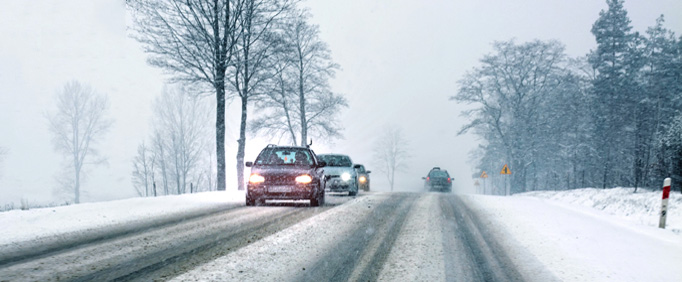
Snow and Ice:

  • Use winter tires or chains when necessary

  • Drive in low gear to maintain traction

  • Never use cruise control on icy roads

Fog and Low Visibility:

  • Use fog lights or low beams

  • Reduce speed and increase following distance

  • Use road markings as visual guides

Safe Highway Driving: Confidence at High Speeds

Highway driving offers long, uninterrupted stretches of road, but it demands high-speed awareness and the ability to react quickly.

Highway Etiquette and Safety:

  • Stay in the Right Lane: Use the left lane strictly for overtaking

  • Signal Early and Clearly: Communicate your intentions well in advance

  • Check Blind Spots: Always look over your shoulder before changing lanes

  • Yield to Merging Traffic: Help maintain traffic flow by adjusting speed or changing lanes

Urban Driving: Patience in Tight Spaces

Driving in cities presents a unique set of challenges, including congestion, pedestrians, cyclists, and unpredictable stops.

Tips for Navigating City Streets:

  • Be prepared for sudden stops and impatient drivers

  • Watch for pedestrians at all crossings, not just marked ones

  • Use turn signals with discipline, even in slow traffic

  • Avoid distractions in busy intersections—every second counts

Parking Like a Pro

Parking may seem like a minor part of driving, but doing it poorly can lead to fines, damage, or unsafe exits.

Smart Parking Practices:

  • Parallel park by aligning properly and using reference points

  • Avoid blocking driveways, fire hydrants, or crosswalks

  • Park facing uphill or downhill with tires turned appropriately

  • Always lock your car and don’t leave valuables in sight

Fuel Efficiency Through Smart Driving

Fuel economy is influenced not just by your car but by how you drive. Adopting fuel-smart habits can help both the environment and your wallet.

Fuel-Saving Techniques:

  • Avoid aggressive starts and stops

  • Drive at consistent speeds whenever possible

  • Minimize idling—turn off the engine if you expect to wait for more than a minute

  • Keep tires properly inflated to reduce rolling resistance

Staying Calm Behind the Wheel

Emotional control is a vital but often overlooked driving skill. Road rage, anxiety, and impatience can lead to poor decisions and unsafe behaviors.

How to Maintain Composure:

  • Take deep breaths if feeling stressed

  • Listen to calming music or a podcast

  • Allow extra travel time to avoid rushing

  • Don’t engage with aggressive drivers—let them pass safely

Continual Learning: Embracing the Evolving Road

Driving isn’t a skill that peaks at licensing—it evolves with experience, new technologies, and changing road laws. Staying informed keeps you confident and compliant.

Ways to Keep Improving:

  • Take advanced driving courses for added skills and insurance benefits

  • Read updates from your local transportation authority

  • Practice driving in various conditions to build adaptability

  • Stay current on vehicle technology and safety features

Conclusion: The Journey Is Yours—Drive It Well

Driving is a privilege that demands constant attention, humility, and respect—for the vehicle, the laws, and others on the road. With the right habits and a conscientious mindset, anyone can transform from a basic driver to a truly skilled one. Mastering driving is not about speed or style, but about confidence, caution, and courtesy. Whether you’re on a winding mountain pass, a packed urban avenue, or a sunlit highway, every journey becomes more rewarding when you drive not just with control, but with car

What is your reaction?

Excited
0
Happy
0
In Love
0
Not Sure
0
Silly
0

You may also like

More in:Driving Tips