
 By Blaze Sky
Introduction: More Than a Commute, Driving Is a Craft
Driving is often perceived as a routine task, a means of reaching a destination. Yet, it is so much more than turning a wheel and pressing pedals. Driving embodies precision, attentiveness, and adaptability. It merges human judgment with mechanical motion, where safety, efficiency, and courtesy intersect. Whether you’re a seasoned driver or a newcomer to the road, honing your driving habits is a lifelong endeavor. This article offers refined and insightful driving tips to elevate your experience behind the wheel, improve road safety, and enhance the pleasure of driving in an increasingly complex world.
Before You Drive: Preparation as a Habit
Every great drive begins with preparation. Ignoring pre-drive rituals can lead to discomfort, distractions, or mechanical issues. Taking a few minutes to set the stage can drastically improve focus and reduce potential risks.
Pre-Drive Essentials:
-
Adjust Seating and Mirrors: Ensure clear visibility, ergonomic posture, and easy access to controls
-
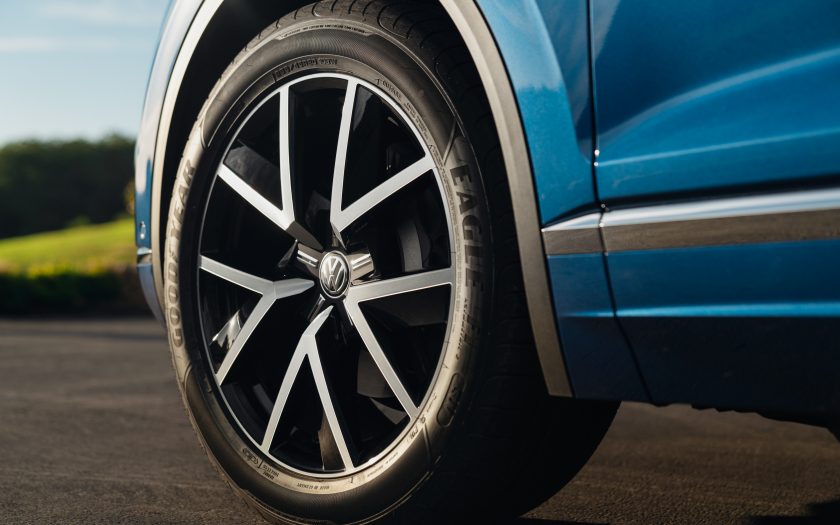
Inspect the Vehicle: Check tire pressure, fuel level, headlights, brake lights, and windshield wipers
-
Secure Loose Items: Keep the cabin clutter-free to prevent distractions and hazards in sudden stops
-
Set Your Environment: Pre-select music or navigation apps, and silence or store your mobile phone
-
Buckle Up: Ensure that you and all passengers are properly secured before starting the vehicle
Driving Attentively: Mindfulness at the Wheel
Modern roads demand more than basic skills—they require presence of mind. Distractions abound, from mobile devices to mental fatigue. Remaining mentally engaged is the cornerstone of responsible driving.
Cultivating Attentiveness:
-
Avoid Multitasking: Keep your focus solely on driving—no texting, eating, or adjusting settings mid-drive
-
Use the 3-Second Rule: Maintain a safe following distance to allow for adequate reaction time
-
Check Mirrors Frequently: Stay aware of what’s happening behind and beside you, not just ahead
-
Anticipate Others’ Behavior: Expect the unexpected from drivers, cyclists, and pedestrians alike
-
Adjust to the Environment: Be more alert during heavy traffic, bad weather, or near construction zones
Mastering Speed and Control: A Subtle Balance
Driving with finesse means knowing when to accelerate, when to coast, and how to handle your vehicle under varying conditions. Smooth control not only conserves fuel but also enhances comfort and safety.
Speed and Control Tips:
-
Drive Within Limits: Respect posted speed limits, adjusting for road and weather conditions
-
Brake Gently: Anticipate stops and apply brakes gradually to prevent skidding and conserve brake pads
-
Accelerate Smoothly: Sudden starts waste fuel and may cause wheel spin, especially in poor traction
-
Avoid Harsh Maneuvers: Sharp turns or erratic lane changes can lead to loss of control or collisions
-
Use Cruise Control Strategically: Helpful on long, open roads—but avoid it in traffic or on slippery surfaces
Navigating Intersections and Traffic: The Art of Timing
Intersections are hotspots for accidents and confusion. Navigating them with awareness and predictability reduces risk and enhances the flow of traffic.
Intersection Intelligence:
-
Observe Signals and Signs: Obey traffic lights, stop signs, and yield markers with precision
-
Scan Both Ways: Even with a green light, always check for red-light runners or inattentive drivers
-
Don’t Block Crosswalks: Allow space for pedestrians and avoid encroaching on intersections
-
Use Turn Signals Early: Communicate your intentions well in advance to those around you
-
Yield with Grace: When merging or at roundabouts, yield with patience rather than aggression
Driving in Adverse Conditions: Confidence through Caution
Weather conditions can drastically alter your vehicle’s handling. Being prepared and adapting your technique is essential for maintaining control and safety.
Wet and Rainy Roads:
-
Turn on headlights for visibility
-
Avoid large puddles that may cause hydroplaning
-
Brake early and softly to prevent skids
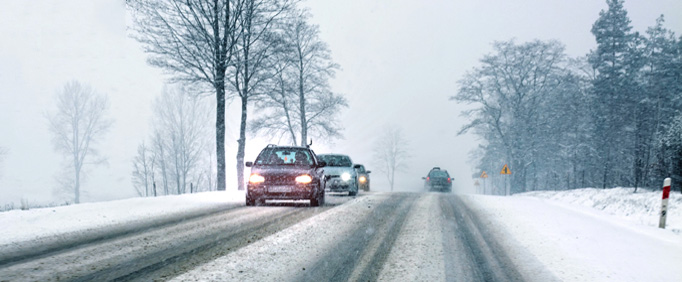
Snow and Ice:
-
Use winter tires or chains in extreme conditions
-
Accelerate slowly and brake gently
-
Increase following distance significantly
Fog or Low Visibility:
-
Use fog lights or low beams, not high beams
-
Drive at reduced speeds, using road markings as visual guides
-
Be extra vigilant for stopped vehicles or animals
Highway Etiquette: Grace at High Speeds
While highways can feel repetitive, they demand discipline and attention. Small errors at high speeds have amplified consequences.
Highway Driving Tips:
-
Keep Right Except to Pass: Avoid lingering in the left lane to reduce congestion
-
Check Blind Spots: Use mirrors and a quick shoulder glance before lane changes
-
Mind Large Vehicles: Maintain safe distances from trucks and buses, especially when passing
-
Use On-Ramps Properly: Accelerate to match highway speed before merging
-
Watch for Exits: Plan ahead to avoid last-minute swerves or sudden braking
Parking with Precision: Respect and Safety
Parking may seem like an afterthought, but it speaks volumes about a driver’s consideration and competence. Proper parking prevents damage and improves accessibility for all.
Polished Parking Practices:
-
Choose the Right Spot: Avoid tight spaces or those too close to corners and hydrants
-
Use Mirrors and Cameras: But don’t rely on them exclusively—look around before backing up
-
Mind the Lines: Park centered within the lines to respect adjacent vehicles
-
Use the Handbrake: Especially when parking on slopes, even in automatic cars
-
Turn Off the Engine: Avoid unnecessary idling which wastes fuel and harms the environment
Driving with Courtesy: Civility on the Road
One of the most underappreciated skills in driving is courtesy. A considerate driver diffuses tension, prevents aggression, and contributes to a safer road culture.
Road Courtesy Fundamentals:
-
Let Others Merge: Especially in heavy traffic or construction zones
-
Avoid Tailgating: It creates stress and increases accident risk
-
Don’t Hog the Horn: Use it for alerts, not for expressing frustration
-
Stay Calm in Conflict: If someone cuts you off, don’t escalate the situation
-
Thank Others: A simple wave or nod can encourage mutual respect
Continual Learning: Evolve with Every Drive
Driving trends, laws, and technologies evolve constantly. Staying informed ensures you remain competent, safe, and respectful in a dynamic road environment.
Tips for Staying Sharp:
-
Read Driving Updates: Stay aware of rule changes or new signage in your region
-
Take Defensive Driving Courses: These not only build skill but may lower insurance rates
-
Understand New Technologies: Familiarize yourself with features like adaptive cruise control or lane assist
-
Drive Different Roads: Practice on rural, urban, and highway settings to build adaptability
-
Reflect on Your Habits: Occasionally review and improve your common driving behaviors
Conclusion: The Journey Is as Important as the Destination
Driving is not a passive act—it is an active, mindful, and skillful engagement with the world. From navigating a narrow alley to merging onto a fast-paced highway, every moment behind the wheel carries responsibility. By embracing sound driving principles, practicing courtesy, and adapting to conditions, you not only protect yourself and others but also rediscover the elegance in the act of driving. Treat each journey with intention, and your time on the road becomes not just safer, but richer and more rewarding.