 By Blaze Sky
Modern automobiles are remarkable feats of engineering, composed of thousands of moving parts working in synchronization to deliver speed, comfort, and transport. However, this complex interplay of mechanical, electrical, and hydraulic systems means that a vehicle is only as reliable as its weakest component. Every time a driver steps into a vehicle, they place their personal safety, as well as the safety of their passengers and surrounding motorists, into the hands of these interconnected components.
Routine auto parts inspections are the cornerstone of proactive vehicle maintenance and road safety. Waiting for an dashboard warning light to illuminate or a strange mechanical noise to manifest before checking under the hood often means operating a compromised vehicle. Understanding the importance of regular component checks, knowing which critical systems demand consistent evaluation, and recognizing early warning signs can prevent catastrophic highway failures and ensure a safer driving experience.
Primary Safety Systems Demanding Frequent Inspection
While every mechanical component serves a function, certain vehicle systems directly influence a driver’s ability to navigate hazards, stop effectively, and maintain control of the vehicle. Prioritizing inspections on these core safety components is essential for hazard prevention.
Braking Systems and Hydraulic Integrity
The braking system is indisputably the most critical safety feature on any motor vehicle. Stopping power relies on friction, which naturally wears down hardware over time. Regular inspections of the braking system must evaluate several key areas:
-
Brake Pads and Shoes: Friction material wears thinner with every application. Inspecting pad thickness prevents metal-on-metal contact, which severely degrades stopping distance and damages expensive rotors.
-
Brake Rotors and Drums: Rotors must be checked for uneven wear, deep scoring, heat hairline fractures, and lateral runout, all of which can cause brake pedal pulsation and uneven stopping.
-
Brake Lines and Hoses: Flexible rubber brake hoses can crack, swell, or dry rot over time, while steel lines can corrode. A failure in hydraulic line integrity results in sudden, complete loss of braking power.
-
Brake Fluid Level and Condition: Brake fluid is hygroscopic, meaning it absorbs moisture from the atmosphere. Excess water content lowers the fluid boiling point, leading to vapor lock and severe brake fade during heavy usage.
Tires, Wheels, and Steering Assembly
Tires represent the sole physical connection between a multi-ton vehicle and the road surface. Rubber condition, tread depth, and inflation pressures directly dictate grip, water evacuation, and handling during emergencies.
-
Tread Depth and Wear Patterns: Adequate tread depth prevents hydroplaning on wet surfaces. Uneven tread wear often points to underlying alignment issues, worn suspension bushings, or improper inflation.
-
Sidewall Integrity: Sidewalls must be checked for bulges, cuts, or cracking, which indicate internal cord damage and pose a high risk of highway blowouts.
-
Steering Components: Tie rod ends, ball joints, and steering racks ensure that steering wheel inputs translate directly to wheel direction. Worn steering joints introduce steering wheel play, slop, and unpredictable handling responses during evasive maneuvers.
Suspension, Visibility, and Structural Components
Beyond stopping and steering, structural stability and clear driver visibility are imperative for collision avoidance. Worn components in these secondary systems gradually compromise driver control without obvious immediate signs.
Shock Absorbers, Struts, and Suspension Hardware
Suspension systems do far more than provide a smooth ride. Their primary safety purpose is to keep the tires firmly planted on the road surface during acceleration, braking, and cornering.
When shock absorbers or struts degrade, tire bounce increases significantly, extending stopping distances on rough roads and causing body roll during sudden turns. Worn control arm bushings and sway bar links allow wheel alignment angles to shift dynamically while driving, making the vehicle feel unstable at high speeds or in crosswinds. Regular visual checks for fluid leaks on shock bodies and physical checks for excessive suspension movement are key preventive steps.
Lighting, Glass, and Wipers
Driving safety depends heavily on seeing clearly and being seen by others. Small visual defects and minor lighting faults quickly become dangerous hazards during nighttime driving or severe weather.
Inspect headlamps, taillights, brake lights, and turn signals regularly to ensure proper illumination and clear lenses. Cloudy or oxidation-covered headlight lenses reduce light output significantly, blinding the driver to road obstacles. Furthermore, wiper blades should be inspected for torn rubber edges that leave streaks across windshield glass. Even tiny chips or cracks in windshield glass must be evaluated promptly, as structural glass strength plays a crucial role in passenger cabin protection during a rollover event.
Engine Bay Components and Fluid Contamination
Under-hood inspections involve checking belt-driven accessories, rubber cooling hoses, and vital engine fluids that maintain operating stability and prevent unexpected vehicle breakdowns.
Auxiliary Belts and Hoses
Rubber components inside the engine compartment endure intense thermal cycles, oil exposure, and mechanical stress. Serpentine belts drive essential components, including the alternator, water pump, and power steering pump.
During an inspection, belts should be checked for fraying, cracking, glazing, or missing rib sections. A snapped serpentine belt can cause immediate loss of power steering assistance, engine overheating, and loss of electrical power. Similarly, coolant hoses must be inspected for soft spots, swelling near connection clamps, and surface brittleness to avoid sudden cooling system failure.
Fluid Levels and Leak Identification
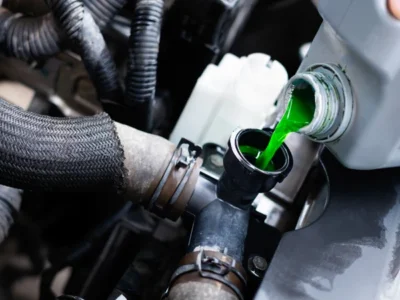
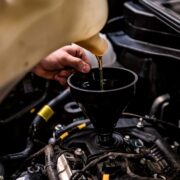
Engine oil, transmission fluid, engine coolant, and power steering fluid must be inspected regularly for correct levels and cleanliness. Contaminated or low fluids accelerate internal component wear, causing unexpected mechanical seizures. Locating small fluid leaks on the engine block, radiator, or driveway allows drivers to fix minor gasket failures before they evolve into major engine failures on the road.
The Economic and Psychological Value of Proactive Maintenance
Beyond direct physical safety, regular auto parts inspection provides distinct economic benefits and peace of mind. Catching a worn component early prevents cascading mechanical damage. For instance, replacing a worn $30 rubber boot on a constant velocity axle prevents road grit from destroying the underlying $300 CV joint.
Proactive inspection transforms vehicle ownership from a series of stressful, unexpected emergencies into a predictable, manageable routine. Drivers who regularly evaluate their vehicle operate with confidence, knowing their car will perform reliably during panic stops, inclement weather, and long-distance road trips.
Frequently Asked Questions
How frequently should a vehicle owner perform a basic visual inspection of critical safety components?
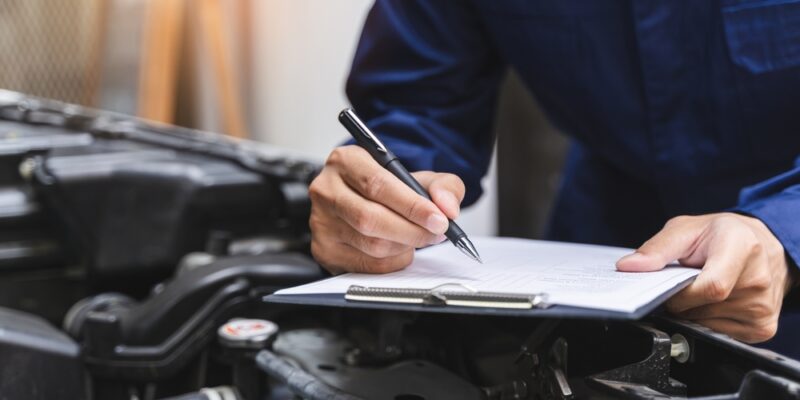
A basic visual walkthrough should occur once a month. This quick check should include checking tire pressure and tread condition, testing all exterior lights, topping off windshield washer fluid, and inspecting the engine oil level. Comprehensive mechanical inspections under the vehicle chassis should occur during every routine oil change or at six-month intervals.
Can a vehicle pass an official state safety inspection and still have deteriorating auto parts?
Yes. Official state safety inspections set minimum baseline standards required for legal road operation at a single moment in time. They often focus on obvious defects, major leaks, and basic safety compliance. An inspection might pass a brake pad that has minimal remaining material, even though that pad will require replacement shortly afterward to remain safe.
What are the earliest physical signs that steering or suspension parts require immediate evaluation?
Common indicators include unusual clunking or squeaking noises when driving over bumps, persistent pulling to one side on flat roads, uneven tire tread wear, or excessive vehicle dipping when applying the brakes. Any looseness or vibration felt through the steering wheel also warrants a prompt mechanical evaluation.
Why is checking tire pressure considered an auto parts inspection?
Tires are pressurized pneumatic auto parts where internal air pressure acts as a structural support element. Driving on underinflated tires causes excessive sidewall flexing, internal heat buildup, accelerated edge wear, and increased risk of tread separation. Correct tire pressure ensures proper tread contact with the roadway, maintaining fuel efficiency and braking performance.
How do seasonal weather changes affect auto parts integrity?
Extreme cold causes rubber components, such as belts, hoses, and wiper blades, to stiffen and crack, while dropping ambient temperatures reduce tire pressure. Summer heat accelerates battery fluid evaporation, degrades engine coolant, and increases internal tire pressures. Inspecting parts during seasonal transitions helps prepare the vehicle for temperature extremes.
What is the risk of using low-grade budget replacement parts during repairs?
Budget replacement parts often use inferior rubber compounds, low-grade metals, and broader manufacturing tolerances. These parts tend to wear out significantly faster than original equipment manufacturer components, increasing the frequency of parts failure and requiring more frequent inspections and early replacements.
How does an aged car battery compromise overall vehicle safety?
A weak or aging battery does more than cause starting failures. Modern vehicles rely on stable electrical voltages for advanced driver-assist systems, electronic stability control, power steering modules, and antilock braking systems. Voltage drops caused by an unstable battery can trigger system faults or intermittent failures in these electronic safety features.
What is your reaction?
Excited
0
Happy
0
In Love
0
Not Sure
0
Silly
0