 By Blaze Sky
The automotive retail landscape has shifted dramatically over the past decade. Buyers no longer select a dealership simply because it sits closest to their neighborhood. With instant access to online inventory, transparent vehicle pricing, and widespread consumer reviews, customers can easily bypass a local lot for a competitor miles away. Consequently, the initial sale of a vehicle is no longer the primary driver of profitability or sustained business growth. Long-term profitability relies almost entirely on repeat business, lifetime service retention, and high customer lifetime value.
Building durable customer loyalty requires auto dealers to shift from transactional thinking to relationship-based management. Dealerships that excel at keeping clients for life combine modern digital convenience, transparent communication, and personalized service experiences.
Here is an in-depth breakdown of how top-performing auto dealerships build and maintain long-term customer loyalty.
Creating a Transparent Sales and Buying Process
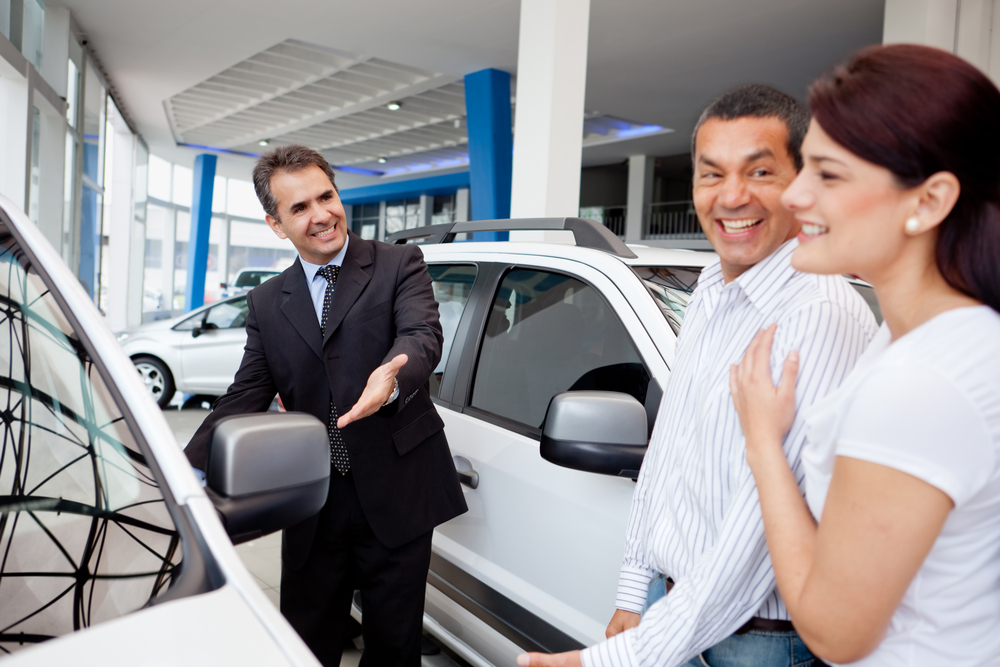
Loyalty begins long before a customer brings their vehicle in for its first oil change. The foundation of long-term trust is established during the initial sales process. Historically, automotive sales earned a reputation for complex pricing, high-pressure finance offices, and hidden fees. Modern dealerships earn trust by completely dismantling these friction points.
Transparent Pricing Structures
Leading dealerships practice clear, upfront pricing across all marketing channels and on showroom floors. When a buyer discovers that the online price matches the final invoice without surprise add-ons, trust is built immediately. Clear breakdowns of taxes, dealer fees, and legitimate finance rates reduce anxiety and signal that the business respects the buyer’s intelligence and budget.
Consultative, Low-Pressure Sales Teams
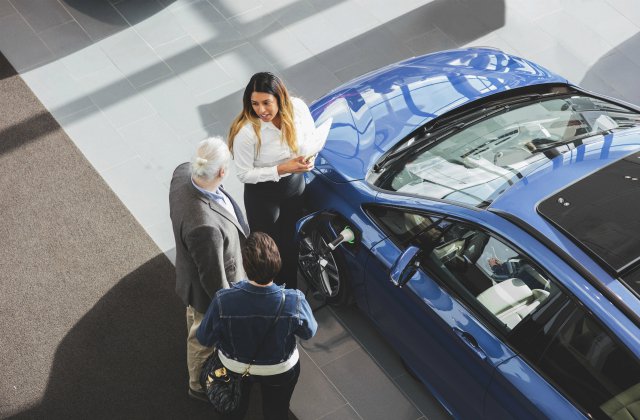
Sales departments are moving away from aggressive closing techniques in favor of a consultative approach. Dealership staff act as educators and advisors who help buyers evaluate electrification options, trade-in valuations, and trim packages. When sales representatives focus on helping buyers find the right vehicle rather than pushing high-margin inventory, customers feel supported rather than targeted.
Transforming the Service Department into a Loyalty Engine
While the sales department hands over the keys, the service department retains the customer. Service retention is the single largest indicator of dealership brand loyalty. Drivers may buy a car every five to seven years, but they require routine maintenance multiple times a year.
Digital Transparency and Video Diagnostics
One of the main reasons drivers abandon dealership service bays for independent repair shops is a perceived lack of transparency or fear of overcharging. Modern service departments combat this by using digital multipoint inspection tools.
Technicians record short video walkarounds during inspections, pointing out healthy components alongside parts that require immediate repair or upcoming maintenance, such as worn brake pads or tire treads. Sending these visual proofs directly to a customer’s smartphone via text message takes the mystery out of car repairs and builds absolute credibility.
Modern Convenience Features
Time is a major friction point in vehicle maintenance. Dealerships build intense customer loyalty by eliminating inconvenience through several operational upgrades:
-
Online appointment scheduling integrated with real-time shop capacity
-
Text-message updates regarding vehicle repair status and digital bill pay
-
Valet pickup and drop-off services for routine oil changes and maintenance
-
Fleet loaner vehicles or integrated rideshare vouchers for longer repairs
-
Comfortable waiting lounges equipped with private workstations, high-speed Wi-Fi, and premium amenities
Leveraging Data for Personalized Customer Journeys
Generic, mass-market direct mail flyers offering generic oil change discounts no longer cut it. Modern consumers expect personalized communication tailored to their specific vehicle, driving habits, and current ownership status.
Predictive Maintenance Reminders
Utilizing Customer Relationship Management software integrated with vehicle telemetry or historic mileage patterns allows dealers to send automated, highly tailored service notices. Reminding a driver about their specific 30,000-mile service interval right when their mileage approaches that milestone demonstrates proactive care.
Milestone and Equity Tracking
Data analytics allows dealerships to monitor vehicle equity positions. When a customer enters a favorable equity position on their financed or leased vehicle, the dealer can proactively reach out with personalized upgrade offers. Presenting an opportunity to trade into a newer model with advanced safety features for a similar monthly payment feels like a valuable advisory service rather than a sales pitch.
Structuring High-Value Loyalty Programs
Loyalty programs in the automotive space have evolved past basic paper punch cards. Effective dealer groups design structured reward initiatives that incentivize both service visits and future vehicle purchases.
Points-Based Systems for Service and Accessories
Customers earn points for every dollar spent on routine maintenance, genuine manufacturer parts, or vehicle detailing. These points can be redeemed for future service discounts, lifestyle accessories, or applied directly as down-payment credit toward their next vehicle purchase. This creates a closed loop that keeps the customer within the dealership’s ecosystem.
Complimentary First-Year Maintenance
Incentivizing the first year or two of ownership by offering complimentary factory-scheduled maintenance creates habit patterns. Once a customer experiences the convenience, expertise, and clean facilities of the dealership’s service center during those initial free visits, they are significantly more likely to continue returning for paid services long after the complimentary period expires.
Cultivating a Customer-Centric Internal Culture
Processes and software mean very little if the dealership staff fails to execute them with genuine empathy and professionalism. The physical and digital culture of the dealership directly shapes how valued a customer feels.
Empowered Frontline Employees
Top-performing dealerships empower service advisors, cashiers, and valet drivers to resolve customer complaints on the spot. If a service takes longer than promised, an advisor should have the authority to discount the bill, waive a fee, or provide a complimentary detail without needing manager approval. Fast, frictionless resolution of mistakes turns dissatisfied customers into brand advocates.
Active Post-Interaction Follow-Ups
Automated feedback loops allow managers to track satisfaction scores in real time. Following up on a sub-par experience within 24 hours shows accountabilty. Reaching out after a successful appointment to confirm that the vehicle is running smoothly reinforces that the dealership cares about safety and satisfaction long after the transaction is completed.
Frequently Asked Questions
Why is service retention more critical to long-term dealership success than initial vehicle sales?
Initial vehicle sales often operate on slim profit margins due to high pricing transparency and market competition. In contrast, the service, parts, and repair departments generate higher profit margins and recurring revenue. A customer who returns consistently for routine service builds a ongoing relationship, generating stable cash flow and becoming far more likely to purchase their next vehicle from the same lot.
How do modern dealerships compete with local independent repair shops?
Dealerships compete by offering specialized factory-trained technicians, original equipment manufacturer parts, specialized diagnostic tools, and warranty protection that independent shops cannot match. Additionally, dealerships offset higher labor rates by providing unmatched convenience, such as loaner vehicles, digital video diagnostics, online scheduling, and upscale waiting amenities.
What role does mobile communication play in retaining automotive clients?
Mobile communication removes friction. Modern consumers prefer text updates, digital estimates, and mobile payments over standard phone calls. By communicating through text and allowing customers to review and approve repair recommendations on their smartphones, dealerships streamline operations and respect their clients’ time.
How often should an auto dealer communicate with existing customers without becoming intrusive?
Communication should be event-driven and tailored rather than frequent and generic. Effective contact intervals include scheduled maintenance reminders every few months, vehicle status updates during active repairs, equity updates every couple of years, and annual check-ins or birthday messages. Communication that delivers clear value or relevance prevents unsubscribe requests and maintains positive brand sentiment.
What is vehicle equity monitoring, and how does it drive repeat sales?
Vehicle equity monitoring involves using dealership software to track a buyer’s loan payoff balance against the current real-time market value of their vehicle. When the vehicle’s market value exceeds the remaining loan balance, the dealer can notify the owner that they can trade up to a new vehicle with little to no money out-of-pocket, creating a seamless pathway to a repeat sale.
How do customer loyalty programs actually benefit auto buyers?
Loyalty programs offer tangible financial savings to consumers by reducing the overall cost of vehicle ownership. Buyers accumulate points on routine maintenance that offset future repair bills, earn credits toward down payments on subsequent purchases, and often receive exclusive perks such as free multi-point inspections, car washes, or priority loaner vehicle access.
Can small or independent dealerships build customer loyalty as effectively as large franchise groups?
Yes. While large franchise groups may have larger marketing budgets, smaller or independent dealerships can excel at personalized, community-focused service. Independent dealers can build strong local loyalty by maintaining consistent long-term staff, offering flexible customer service, active involvement in community events, and delivering honest, transparent customer experiences.
What is your reaction?
Excited
0
Happy
0
In Love
0
Not Sure
0
Silly
0