 By Blaze Sky
Modern vehicles are evolving faster than ever. From electric drivetrains to advanced driver-assistance systems, today’s cars are built with technologies that didn’t exist a decade ago. To stay relevant and reliable, auto service providers must continuously adapt their tools, skills, and processes to match these new vehicle designs.
The Shift Toward Electrification
One of the most significant changes in vehicle design is the rapid growth of electric and hybrid vehicles. These models differ fundamentally from traditional internal combustion engines.
How Auto Service Responds
- Specialized training for high-voltage systems
- Use of insulated tools and safety gear
- New diagnostic procedures for batteries and power electronics
- Dedicated EV service bays in some workshops
Servicing electrified vehicles requires strict safety protocols and a deep understanding of electrical architecture.
Advanced Electronics and Software Integration
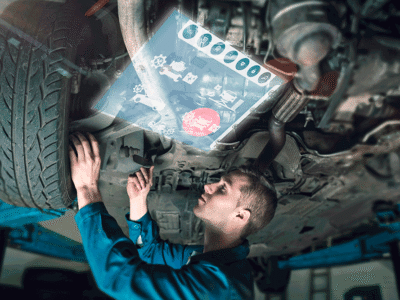
Modern cars rely heavily on software and interconnected electronic systems. Many issues are now digital rather than mechanical.
Service Adaptations for Electronics
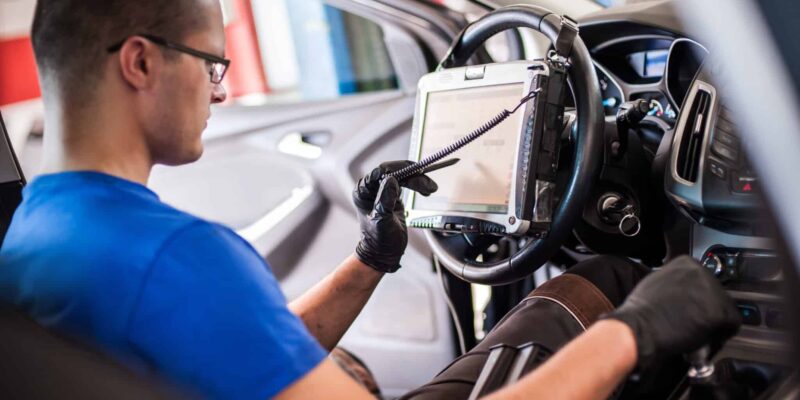
- Advanced diagnostic scanners and software updates
- Calibration tools for sensors and cameras
- Technicians trained in vehicle networking systems
- Secure handling of vehicle data
Auto service has shifted from wrench-focused work to data-driven diagnostics.
Lightweight Materials and New Construction Methods
Vehicle manufacturers now use aluminum, carbon fiber, and composite materials to improve efficiency and safety.
Impact on Repair and Maintenance
- Specialized tools for aluminum body repair
- New welding and bonding techniques
- Manufacturer-approved repair procedures
- Increased emphasis on structural accuracy
Incorrect repair methods can compromise vehicle safety, making precision more important than speed.
Driver-Assistance and Safety Systems
Features such as lane-keeping assist, adaptive cruise control, and automatic braking rely on sensors that must be perfectly aligned.
Service Adjustments for ADAS
- Calibration after windshield replacement or suspension work
- Controlled environments for sensor alignment
- Software verification after repairs
- Detailed post-service testing
Auto service now plays a critical role in maintaining the functional safety systems drivers depend on.
Evolving Maintenance Schedules
New vehicle designs often require less frequent traditional maintenance but more specialized checks.
Examples of Changing Maintenance Needs
- Fewer oil changes in electric vehicles
- Battery health diagnostics
- Software-based maintenance alerts
- Condition-based service intervals
Workshops adapt by focusing on predictive and preventive maintenance rather than routine servicing alone.
Technician Training and Certification
As vehicles become more complex, continuous education is no longer optional.
Training Priorities in Modern Auto Service
- Manufacturer-specific certifications
- EV and hybrid system training
- Electronics and software diagnostics
- Safety compliance updates
Well-trained technicians ensure accurate repairs and protect both vehicles and customers.
Investment in Modern Tools and Facilities
New vehicle designs demand new infrastructure.
Key Workshop Upgrades
- High-end diagnostic platforms
- Battery handling and storage systems
- Calibration zones for sensors
- Enhanced cybersecurity for vehicle data
These investments allow service centers to keep pace with innovation and meet manufacturer standards.
Frequently Asked Questions
Why can’t new vehicles be serviced the same way as older models?
New vehicles use advanced electronics, software, and materials that require specialized tools and knowledge.
Do electric vehicles require less maintenance overall?
They need fewer traditional services but require specialized inspections for batteries and electronic systems.
How important is software in modern auto service?
Software plays a major role in diagnostics, updates, and system calibration, making it essential to modern servicing.
Are advanced safety systems affected by routine repairs?
Yes, even simple repairs can require recalibration of sensors to ensure proper functionality.
How do workshops stay updated with new vehicle technologies?
Through ongoing training, manufacturer programs, and investment in modern diagnostic equipment.
Does adapting to new designs increase service costs?
While initial costs may be higher, accurate servicing prevents long-term issues and improves reliability.
Can independent workshops service modern vehicles effectively?
Yes, provided they invest in training, tools, and follow manufacturer-approved repair procedures.
As vehicle design continues to evolve, auto service must evolve alongside it. Workshops that embrace technology, training, and precision will remain essential partners in keeping modern vehicles safe, efficient, and road-ready.