
 By Blaze Sky
Introduction: A Necessity, Not a Nuisance
Car repairs, often seen as an inconvenience, are in fact an essential part of responsible vehicle ownership. They not only preserve the performance and safety of the car but also extend its lifespan, enhance fuel efficiency, and maintain resale value. While many drivers delay repairs in favor of short-term savings, such decisions often lead to more severe and costly consequences. In today’s world of increasingly complex vehicles, car repairs are no longer limited to simple mechanical fixes—they now involve advanced diagnostics, precision tools, and digital systems. Understanding the intricacies of automotive repair can empower drivers to make informed choices, ensure proper maintenance, and cultivate a greater respect for their vehicles.
Understanding the Importance of Timely Repairs
Delaying car repairs may seem harmless at first, but even minor issues can escalate into major mechanical failures. Timely attention to warning signs not only ensures smoother operation but also prevents hazardous situations on the road.
Key Benefits of Prompt Car Repairs:
-
Safety Assurance: Brake issues, worn tires, and steering problems can lead to accidents if ignored.
-
Performance Optimization: A well-maintained car runs more smoothly, accelerates efficiently, and handles better.
-
Cost Efficiency: Small fixes often cost far less than major repairs caused by neglect.
-
Environmental Responsibility: Properly functioning vehicles emit fewer pollutants and consume less fuel.
-
Preservation of Value: A service record with timely repairs enhances the resale appeal of any vehicle.
Common Types of Car Repairs and Their Signs
Recognizing the early warning signs of automotive problems can save both money and frustration. While some repairs are routine, others require immediate intervention.
Engine Repairs:
-
Warning Signs: Check engine light, strange noises, oil leaks, or reduced power.
-
Typical Fixes: Replacing spark plugs, timing belts, or head gaskets.
Brake System Repairs:
-
Warning Signs: Squealing sounds, longer stopping distances, or a soft brake pedal.
-
Typical Fixes: Brake pad or rotor replacement, caliper adjustments, fluid flushes.
Transmission Repairs:
-
Warning Signs: Slipping gears, hesitation during acceleration, fluid leaks, or burning smell.
-
Typical Fixes: Replacing clutch assemblies, repairing gearboxes, or transmission fluid service.
Suspension and Steering Repairs:
-
Warning Signs: Uneven tire wear, bouncing after bumps, or loose steering feel.
-
Typical Fixes: Shock absorber replacements, ball joint repairs, or alignment corrections.
Electrical System Repairs:
-
Warning Signs: Non-functioning lights, battery drain, or dashboard malfunctions.
-
Typical Fixes: Battery replacement, alternator service, or fuse and wiring repairs.
The Rise of Diagnostic Technology in Auto Repairs
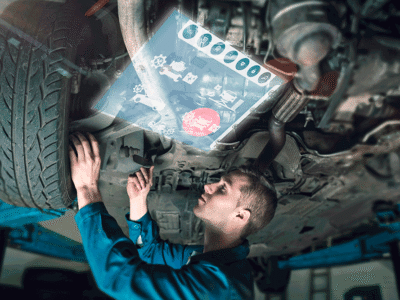
Gone are the days when a mechanic relied solely on sound, smell, or instinct. Today’s vehicles are equipped with onboard diagnostics systems and sophisticated sensors that communicate real-time data, allowing technicians to pinpoint issues with remarkable precision.
Modern Diagnostic Innovations:
-
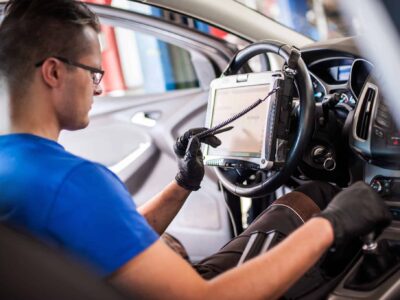
OBD-II Scanning: On-Board Diagnostics scanners connect to a car’s computer to identify fault codes and malfunctions.
-
Thermal Imaging Tools: Used to detect overheating in wiring, engine components, or brake systems.
-
Digital Multimeters: Essential for assessing the health of electrical circuits and battery charge.
-
ADAS Calibration Tools: Required for vehicles with Advanced Driver Assistance Systems, ensuring lane departure, automatic braking, and adaptive cruise control work seamlessly.
Choosing the Right Auto Repair Shop
Selecting a trustworthy and competent repair shop can make all the difference in your vehicle’s health and your peace of mind. With a range of service providers—dealerships, independent garages, and specialized workshops—it’s crucial to find one that aligns with your needs and expectations.
Tips for Selecting a Reliable Repair Shop:
-
Certifications and Licenses: Look for ASE-certified (Automotive Service Excellence) mechanics and licensed facilities.
-
Transparent Pricing: A clear breakdown of labor, parts, and taxes helps avoid hidden charges.
-
Customer Reviews: Online feedback and word-of-mouth referrals can highlight the quality of service.
-
Warranty on Repairs: Reputable shops often provide a warranty on both parts and labor.
-
Specialization: Vehicles with complex systems (such as EVs or luxury brands) may require specialists with brand-specific training.
DIY Repairs: Know When and How
While certain car repairs require professional expertise, there are a number of tasks that skilled car owners can perform themselves, provided they have the tools, patience, and access to reliable guides.
Safe DIY Repair Projects:
-
Changing Air Filters and Wiper Blades
-
Battery Replacement and Terminal Cleaning
-
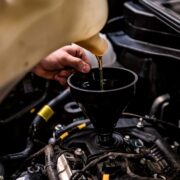
Oil Changes (for experienced DIYers)
-
Headlight and Taillight Bulb Replacement
-
Tire Rotation and Pressure Monitoring
Precautions for DIY Repairs:
-
Use Manufacturer-Specified Parts and Fluids
-
Follow Repair Manuals Closely
-
Avoid Guesswork with Electrical Repairs
-
Always Work in a Safe, Well-Ventilated Area
-
Wear Proper Safety Gear and Use Jack Stands When Necessary
Preventive Maintenance: A Strategy to Minimize Repairs
The best way to reduce the frequency and severity of car repairs is through consistent preventive maintenance. By following the manufacturer’s maintenance schedule and being proactive with inspections, drivers can avoid breakdowns and extend their vehicle’s life.
Essential Preventive Maintenance Practices:
-
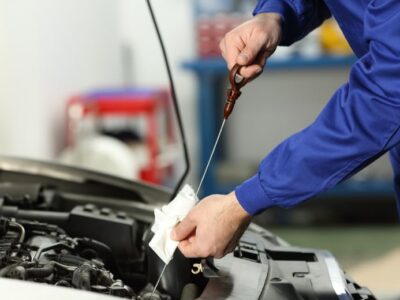
Regular Oil and Fluid Checks
-
Routine Tire Inspections and Rotations
-
Scheduled Brake and Transmission Inspections
-
Cooling System Flushes
-
Battery Load Tests and Terminal Cleaning
The Future of Car Repairs: Evolving with Innovation
With the surge in electric vehicles, self-driving features, and cloud-connected mobility, the car repair industry is undergoing a transformative shift. Mechanics are becoming technologists, and repair shops are evolving into sophisticated diagnostic centers.
Trends Shaping the Future:
-
Software Updates: Cars now receive over-the-air updates similar to smartphones.
-
EV-Specific Repairs: High-voltage systems require specialized safety training and equipment.
-
Predictive Maintenance: AI-driven platforms anticipate failures before they occur, alerting owners in advance.
-
Mobile Mechanics: On-demand services bring technicians directly to your driveway, enhancing convenience.
Conclusion: Car Repairs as a Pillar of Automotive Responsibility
Car repairs are not simply a reaction to mechanical failures—they are a reflection of care, awareness, and responsibility. A well-repaired vehicle is safer, more efficient, and ultimately more enjoyable to drive. As vehicles grow more advanced and interconnected, the art of car repair evolves from a hands-on trade to a blend of craftsmanship and technology. By embracing regular maintenance, understanding repair needs, and choosing the right professionals, drivers ensure that their vehicle continues to serve them reliably, mile after mile. In the grand journey of ownership, car repairs are not detours—they are essential milestones along the way.