
 By Blaze Sky
Introduction: More Than Machines—Vehicles as Catalysts of Modern Life
Vehicles are not merely mechanical constructs that transport us from one location to another. They are a seamless extension of modern civilization—symbols of progress, personal freedom, and technological evolution. Whether navigating bustling city streets, gliding through rural landscapes, or cruising along scenic highways, vehicles have become fundamental to how we live, work, and connect. From the first steam-powered carriages to today’s autonomous electric marvels, the vehicle has continually evolved to meet society’s changing needs, bridging the gaps between distance and time with remarkable precision and ingenuity.
The Evolution of Vehicles: From Horsepower to Horsepower
Humanity’s fascination with mobility dates back centuries, but the automobile truly changed the game. Initially powered by steam in the 18th century, followed by the internal combustion engine in the late 19th century, vehicles have undergone extraordinary transformations in form, function, and technology.
Major Milestones in Vehicle History:
-
1886: Karl Benz patents the first gasoline-powered car, widely regarded as the birth of the modern automobile
-
1913: Henry Ford revolutionizes manufacturing with the assembly line, making cars affordable to the masses
-
1950s–1970s: Vehicle design flourishes, with an emphasis on power, style, and cultural identity
-
1990s–2000s: Safety and emissions regulations bring about major technological innovations
-
2010s–Present: Electric vehicles and AI-driven systems reshape the concept of transportation entirely
Types of Vehicles: A World of Possibilities
Vehicles encompass a wide range of categories, each serving distinct purposes and user needs. Understanding these classifications helps illustrate just how varied and essential they are to modern infrastructure and lifestyle.
Primary Vehicle Categories:
-
Passenger Vehicles: Sedans, hatchbacks, coupes, and SUVs designed for comfort, convenience, and daily utility
-
Commercial Vehicles: Trucks, vans, and buses that support logistics, public transportation, and trade
-
Two-Wheelers: Motorcycles and scooters, offering agile, fuel-efficient urban mobility
-
Specialty Vehicles: Emergency response units, agricultural equipment, and construction vehicles tailored for specific roles
-
Recreational Vehicles (RVs): Mobile living spaces that blend travel with accommodation
The Emotional Connection: Vehicles as Lifestyle Statements
Beyond their mechanical purpose, vehicles often serve as personal expressions of identity and aspiration. A luxury sedan may project success and refinement, while a rugged SUV might convey a sense of adventure and independence. For many, a vehicle becomes an emotional investment—filled with memories, journeys, and personal milestones.
Ways Vehicles Reflect Lifestyle:
-
Design and Color Choices: Often aligned with personal taste or brand affinity
-
Customization and Upgrades: Performance tuning, interior enhancements, and tech integrations reflect individuality
-
Driving Preferences: City drivers may favor compact hybrids, while rural residents might opt for all-terrain capability
Technological Advancements: Transforming the Driving Experience
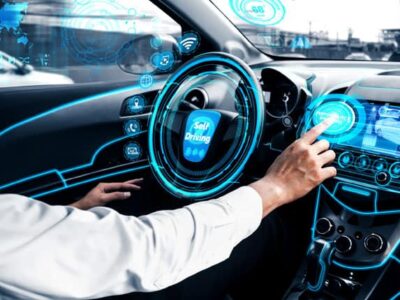
Modern vehicles are technological powerhouses. From intuitive infotainment systems to adaptive cruise control and regenerative braking, technology has redefined how we interact with our vehicles. These innovations are not merely conveniences—they enhance safety, performance, and environmental sustainability.
Key Technological Features in Today’s Vehicles:
-
Advanced Driver Assistance Systems (ADAS): Includes features like lane-keeping assist, blind-spot monitoring, and automatic emergency braking
-
Electric and Hybrid Powertrains: Reduce fuel consumption and emissions while offering silent, efficient propulsion
-
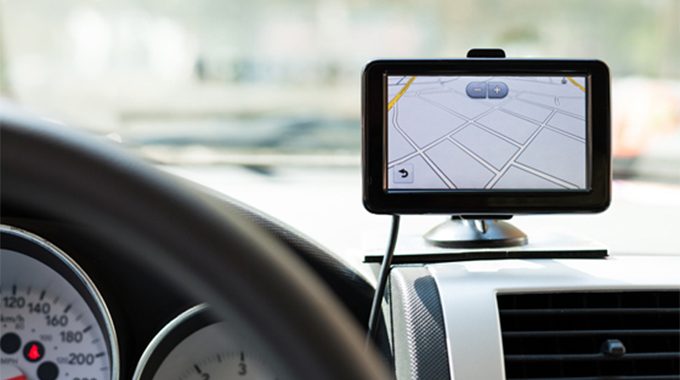
Connectivity and Infotainment: Integration with smartphones, voice assistants, and real-time navigation systems
-
Telematics and Remote Diagnostics: Enables proactive maintenance and performance tracking
-
Autonomous Driving Capabilities: Still in development but showing promise for the future of mobility
Environmental Considerations: Vehicles in the Era of Climate Awareness
While vehicles have transformed society, they’ve also contributed to environmental challenges. The transportation sector remains a significant contributor to global carbon emissions. As a result, innovation now pivots toward sustainability, with electric vehicles (EVs), hydrogen fuel cells, and eco-friendly manufacturing processes taking center stage.
Sustainable Practices in the Vehicle Industry:
-
Electrification of Fleets: Automakers committing to all-electric lineups within the next decade
-
Use of Recycled Materials: Interiors and body components now often include repurposed materials
-
Emission Regulations: Stricter global standards pushing manufacturers toward cleaner technologies
-
Shared Mobility Models: Encouraging car-sharing and ride-hailing services to reduce overall vehicle count
Ownership and Responsibility: A Modern Perspective
Owning a vehicle is a privilege that comes with considerable responsibility. Maintenance, insurance, road safety, and environmental impact are key considerations. As vehicles grow smarter and more autonomous, so too must the behavior and ethics of their users.
Responsible Vehicle Ownership Includes:
-
Regular Maintenance: Ensuring roadworthiness, efficiency, and longevity
-
Safe Driving Habits: Respecting traffic laws, avoiding distractions, and practicing defensive driving
-
Insurance and Documentation: Staying compliant with legal and financial protections
-
Environmental Mindfulness: Reducing unnecessary travel and keeping emissions in check
The Future of Vehicles: Innovation on the Horizon
The future of vehicles is as exciting as it is transformative. We are entering an era where artificial intelligence, automation, and sustainability intersect to redefine how we move.
Trends Shaping the Next Generation of Vehicles:
-
Autonomous Vehicles: Self-driving technology aims to reduce accidents and improve traffic flow
-
Vehicle-to-Everything (V2X) Communication: Enables real-time data exchange between cars, infrastructure, and pedestrians
-
Subscription and Mobility-as-a-Service (MaaS): Shift from ownership to flexible access models
-
Smart Infrastructure Integration: Vehicles will work in tandem with connected cities and digital road systems
Conclusion: Vehicles as Instruments of Progress and Possibility
From the earliest horseless carriages to today’s intelligent electric vehicles, the journey of transportation has been one of relentless innovation, cultural significance, and social transformation. Vehicles are more than mechanical tools; they are enablers of opportunity, freedom, and exploration. Whether you view them as a necessity, a passion, or a symbol of modern ingenuity, one truth remains—the vehicle is a powerful testament to human progress. As we steer into the future, our approach to vehicles must be thoughtful, sustainable, and responsible, ensuring that this marvel of engineering continues to serve not only our mobility needs but also the greater good of society.