
 By Blaze Sky
Buying a one-year-old car can feel like a smart shortcut. You get modern tech, a nearly untouched interior, and a lower price than a brand-new model. On paper, it looks like the perfect deal.
But experienced buyers know better: when a car is resold this quickly, there’s always a reason. And it’s not always a good one.
Start With the Right Question
Instead of focusing on the savings, shift your mindset. Ask yourself: why is someone selling a nearly new car in the first place?
That simple question helps you avoid getting distracted by appearances and prompts you to look more deeply into the vehicle’s history and condition.
Accident History Isn’t Always Obvious
A clean-looking exterior doesn’t guarantee a clean past. One of the most common reasons for selling a nearly new car is a previous accident.
Even if repairs were made, not all work meets manufacturer standards. Poor-quality repairs, especially those performed outside certified service centers, can leave behind hidden problems such as frame misalignment, electrical issues, or compromised safety systems.
Where CPO Cars Fit In
Certified Pre-Owned (CPO) vehicles are often regarded as a middle ground between new and used. These cars go through manufacturer-backed inspections and typically include extended warranties and verified service histories. However, that added peace of mind comes at a price – you’ll pay more for official certification, stricter quality standards, and brand-backed guarantees.
For some buyers, the extra cost is justified by reduced uncertainty. Others prefer to save money by choosing a non-certified car and investing in independent inspections instead.
When “New” Doesn’t Mean Reliable
It might seem counterintuitive, but some new cars develop persistent issues early on. While warranties usually cover repairs, they don’t eliminate the inconvenience.
Repeated service visits, long wait times, and a lack of replacement vehicles can frustrate owners to the point of selling. In these cases, the car may still be under warranty, but that doesn’t mean it’s trouble-free.
Mileage Can Tell a Different Story
A one-year-old car should typically have around 12,000 to 14,000 miles. But that’s just an average. Some vehicles rack up far more in a short time, especially if they’ve been used for rideshare services, deliveries, or business travel.
It’s not unusual to find cars with 30,000-60,000 miles after just one year. That kind of use accelerates wear on key components like brakes, suspension, and transmission.
The bigger issue? Some sellers try to mask that heavy use. A fresh detail job, minor interior fixes, and even an odometer rollback can make a high-mileage car look far more appealing than it should. If you’re only looking at the model year, you could easily miss the bigger picture.
Legal Risks You Shouldn’t Ignore
Not all problems are mechanical. Some are legal, and those can be even more serious.
A one-year-old car may still be financed, leased, or used as collateral for a loan. It could also be tied up in legal disputes, such as divorce settlements or business-related claims.
In these situations, the seller may not have full legal authority to sell the vehicle. Unfortunately, some still try to move forward with a sale to recover money quickly.
For buyers, this can lead to ownership disputes or even vehicle seizure. That’s why verifying the title, checking for liens, and confirming legal status is absolutely critical, especially if you’re dealing with an active loan.
Not Every Sale Is a Red Flag
Of course, not every one-year-old car comes with hidden issues. There are plenty of legitimate reasons someone might sell a nearly new vehicle.
Financial changes, relocation, lifestyle shifts, or simply not liking the car are all valid explanations. Sometimes, owners underestimate maintenance costs or realize the vehicle doesn’t suit their needs.
Still, it’s important to verify these claims rather than accept them at face value.
How to Protect Yourself as a Buyer
A careful approach makes all the difference when buying a one-year-old car.
Start by reviewing the vehicle history report and confirming the legal status. Then compare the mileage to the car’s age and expected usage.
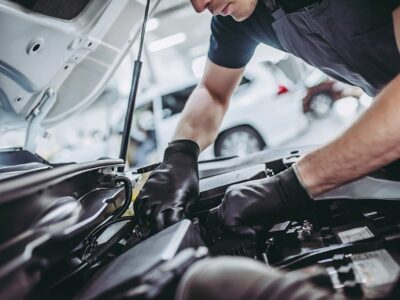
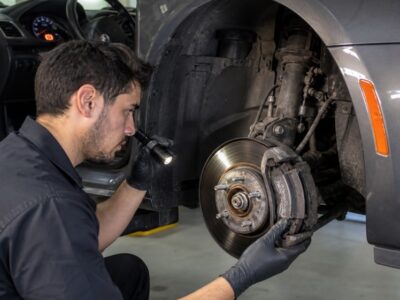
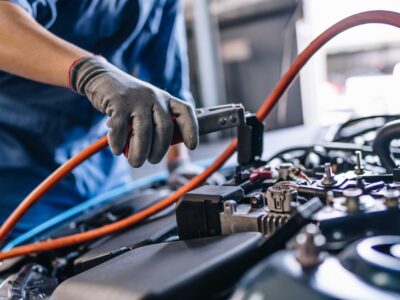
Next, schedule a professional inspection. A qualified mechanic or dealership diagnostic can reveal hidden issues, from worn components to signs of poor repairs or replaced parts.
Also, pay attention to the seller. If they hesitate to allow an inspection or avoid direct answers, that’s usually a warning sign.
Working with reputable used vehicle dealerships in Florida can make the process smoother. Dealers like Autoland in Jacksonville provide transparent histories and may include inspections, giving you more confidence in your purchase.
The Bottom Line
Buying a one-year-old car isn’t inherently risky, but it does require a more careful approach than many buyers expect.
The right vehicle can deliver excellent value: modern features, lower depreciation, and a car that’s already been broken in. But the wrong choice can quickly erase any savings.
If the history is clean, the diagnostics check out, and the legal status is clear, you’re likely looking at a solid deal. Just don’t let the low mileage and recent model year distract you from what really matters – the car’s true condition.