 By Blaze Sky
Brake Problems 101 begins with a hard-hitting fact. Your car will give warning signs prior to a more serious brake issue. The majority of drivers hear or feel a vibration or feel a change in the pedal initially. Then the life gets hectic. Some days go by. A minor repair can turn into an even larger cost.
At Tires2go We see this type of pattern frequently. Brake Problems 101 is crucial since your brake system impacts every stop and turning, each school bus and every highway merging. A car traveling at 60 mph will cover 88 % of the road every second. A second more before fully stopping adds around 88 feet before a complete stop is triggered. The gap between the two is important.
Important Takeaways
- Noise matters. Squeaks and grinding as well as scraping require a look.
- Pedal feel matters. A pedal that feels soft or spongy can indicate problems.
- Vibration is important. A shaking pedal or steering wheel usually indicates rotor problems.
- The pulling of the strings. A car that drifts to the left or right while brakes requires attention.
- The importance of warning lights is paramount. The brake and ABS lights should not be ignored.
- The smell of a car is important. An odor that is burning after breaking points can lead to the heat or stuck parts.
- The delay is crucial. Longer stopping distance raises risk fast.
What are the Warning Signs of Brake Problems?
Brake Problems 101 starts with the recognition of patterns. The car is rarely still when the brakes begin to wear down. It is your job to spot changes before they happen.
The most common warning signs for brake problems are:
- Squeaking or the sound of chirping
- The sound of grinding
- Brake pedal vibrates
- Car shakes during braking
- Soft brake pedal
- A spongy brake pedal
- The brake warning light comes is on
- Lights for ABS and brake issues
- Car pulling while braking
- Longer stopping distance
- The smell of brakes is burning.
- Fluid spots near wheels, or beneath the master cylinder
Certain signs indicate worn pads. There are signs that indicate the loss of fluid, damage to the rotor or caliper problems. Whatever the case, it is important to consider warning signs for brakes as urgent.
What do bad brakes symptoms You feel like behind the Wheel?
The signs of bad brakes often occur prior to a total failure. There may be a less bite when your foot is placed on the pedal. It is possible to feel an electric pulse from the steering wheel or pedal. The car may require additional roadway to slow down.
You might notice:
- More pedal movement before the slowing begins
- A low pedal feel close to the floor
- Noise during every stop
- A wobbly front end while the braking
- A gradual glide to one side
- A strong odor after urban driving or downhill usage
Brake Troubles 101 is straightforward in this article. If your car feels different during braking, trust your senses. A brake system should be steady and consistent. Your foot shouldn’t disorientation between stops and the next.
What Do Squeaking Brakes Most of the time, it’s a sign to what?
The meaning of squeaking brakes is based on the timing, weather conditions and wear level. A brief squeak on an icy morning isn’t necessarily a sign of a problem. A frequent squeak on each stop requires attention.
Common causes are:
- Pad wear indicators that touch the Rotor
- The surface rusts after the rain, or after overnight parking
- Glazed pads
- Dust buildup
- Pad material that is cheap
- Wear and tear of hardware
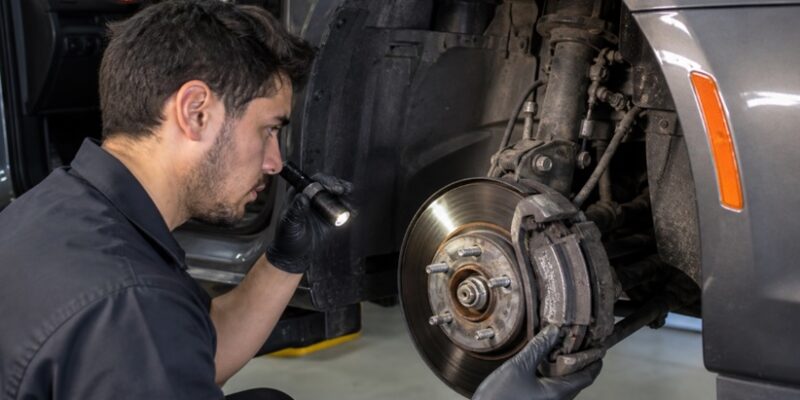
Wear indicators are small metal tab that is embedded in numerous pads. When the pad’s material becomes depleted and the tab is in contact with the rotor, and it makes an extremely loud sound. This sound is an inbuilt warning. A majority of pad makers put replacements within 3 millimeters of friction material remaining. New pads can start at 10-12 millimeters. As wear decreases and damage increases quickly, it is a sign that you wait too long for service.
At Tires2go, a constant sound can lead to wear-related brake pads when you inspect. The earlier you inspect the less chances of damaging your rotor.
What can grinding brakes’ causes Most of the time, they tell you?
Grinding brakes can lead to contact between metal and metal, heavy dirt, rust, or excessive wear on the pads. In plain words, grinding is bad news.
A sound of grinding can mean:
- Pad material was worn away
- Rotor surface got scored
- Caliper hardware failed
- A backing plate slid into the rotating rotor.
- A piece of rock or other debris became stuck
Grinding alters the repair. A squeak may need pads. The term “grind” is often used to refer to pads and rotors. It can also mean even calipers. Brake Problems 101 will clarify one thing here. The grinding sound isn’t a waiting-and-see sound.
Why does Brake pedal vibration occur?
Brake pedal vibrations often point to warped rotors or uneven thickness of the rotor. The most common cause is heat. Repetitive hard stops, downhill braking, or stuck calipers increase the temperature of the rotor. Inequal heat results in uneven surfaces for rotors.
It is possible to be feeling:
- A pulse on the brake pedal
- Shake of the steering wheel
- Front-end shimmy shimmy when braking
- Stronger vibration at highway speed
Shakes when you brake are among the top frequently reported customers’ complaints about noise. Many drivers will say, “The car feels fine until I slow it down to 60.” The pattern typically causes the rear rotors to re-engage.
Brake Problems 101 outlines this principle. A pedal that vibrates isn’t normal. Firm, smooth, brakes that are repeatable is typical.
Why Does your car pull out when you brake?
Car pulling while braking usually indicates the uneven braking force from in the opposite direction. One wheel grips more forcefully. Another wheel is slower. It results in an unsteady drift to the left or right.
Common reasons are:
- Caliper that is sticking
- A brake hose that has collapsed
- Pad wear that isn’t even
- Fluid pressure imbalance
- Surfaces of pads that have been affected by a contaminant
- Suspension issues mixed with brake wear
A jerk during braking is not just a nuisance. The car is no longer able to track straight in the face of load. This is a riskier situation when there is traffic, rain, or at emergency stops. Brake warnings that refer to pulling require a quick examination.
What is the cause of a soft brake Pedal or Spongy Brake Pedal?
The brake pedal’s softness can an inverse link to hydraulic issues. The brake system is powered by fluid pressure. If air is introduced into the system, fluid leaks or seals fail the pedal feels different.
A brake pedal that feels soft or spongy typically indicates:
- Air in the brake lines
- Leaks in the brake fluid can be a sign of a leak.
- The master cylinder seals are worn
- Flexible hose expansion
- Fluid that is overheated
- Issues with rear brake adjustments are present on certain vehicles
A pedal that is soft typically is a weak and low-pitched feeling. A brake pedal that is spongy feels springy, as if pressure increases slowly. Both of these are not safe. The brake pedal should feel as if it is firm. In the event that your pedal sinks further than usual, you should be on your agenda quickly.
Brake Problems 101 is the level of seriousness when hydraulic pressure falls. Braking force depends on pressure. Pressure loss lowers control.
What do Brake Fluid Leak Signs of a Brake Fluid Leak?
The signs of a leaky brake fluid typically manifest in the form of a low pedal signal light that indicates a warning, a damp space near the wheel brake line, brake hose or caliper, wheel cylinder as well as master cylinder.
Keep an eye out for:
- Insufficient fluid in reservoir
- Wet areas close to tire or inside the wheel
- Fluid near the pedal area, or the firewall side of the engine bay
- Warning light for brakes is on
- Soft brake pedal
- A spongy brake pedal
- Longer stopping distance
Brake fluid is often like light amber to clear. Older fluids may appear more dark. Any leak needs quick action. Fluid loss means pressure loss. A brake system that is experiencing leaks will not repair it by itself.
What is a Brake Warning Light On or ABS Light Signify?
The light for brakes usually indicates an issue with the fluid level and parking brake switch problems or a hydraulic system issue. ABS light and brake issues could be due to problems with sensors and wheel speed signals malfunctions, module issues or issues with system pressure.
It is important to never overlook:
- The warning light for brakes is that is on by itself
- ABS lights up by itself
- Both lights on simultaneously
- Warning light plus pedal change
- Warning light plus noise
ABS aids your car in keeping the wheel in control even during hard stops. If you do not have ABS wheel lock, the risk of wheel locking increases when you brake in panic on wet or loose surfaces. If Main brake lights and ABS are lit together, your vehicle needs an immediate inspection.
Brake Problems 101 contains warning lights, as they typically are visible before a motorist detects an alarm.
What causes a longer stopping distance? and a sour smell from Brakes?
The lengthier stopping distance can cause a variety of issues although brake wear ranks on in the middle of the list of causes. Poor pad material, coated pads that are glazed, hot brake rotors, poor fluid, tire problems or hydraulic issues every stretch the stopping distance.
A sour smell coming from the brakes typically indicates:
- Caliper sticking
- Parking brake dragging
- Repetition of downhill braking
- Overheated pads
- A heavy load that has stopped and re-stops
Hot brake odors are an odor that is sharp and harsh. Stop when it is it is safe. The system should cool. If you continue to drive with a stuck pads or calipers could cause a corner to overheat and cause damage to the rotor and create a fire risk around the rubber seals that seal grease or other components.
When should you replace your brake Pads?
The time to replace brake pads is based on wear the driving style, the vehicle weight, road usage and the material of the pad. Most shops recommend checking the pads when pad thickness is close to 3-4 millimeters. Certain drivers require servicing earlier because of towing, steep hills or heavy traffic. excessive brakes.
The signs of worn brake pads comprise:
- Squeaking during stops
- Grinding after squeaking
- Longer stopping distance
- The material is thin and visible on the wheel spokes of certain automobiles.
- The brake warning light is on for certain models
- Rotor scoring
A lot of pads last between 250,000 to 70,000 miles. This is a wide range because the driving conditions differ significantly. Traffic in cities wears pads more than those who drive on the open road. Brake Problems 101 will leave you with one practice. Examine pads before contact with metal begins. Pad services are less expensive than rotor-pad service.
What are the most common Brake Issues Drivers Have?
Common brake issues are seen in the same group and repeatedly.
Most brake problems that are common comprise:
- Broken brake pads
- Rotors that are worn
- Warped rotors are a sign of trouble.
- Leaks in the brake fluid
- Calipers that are stuck
- The pedal for soft brakes causes
- ABS sensor failures
- Pad wear that isn’t even
- Hardware noises from brakes
- The fade is caused by heat
A small service interruption often can turn a single issue into three. Insufficient pads can overheat the rotors. A stuck caliper wears down one side prematurely. A low level of fluid triggers warning lights. Troubles can build up quickly in brake systems due to the fact that each component works in conjunction.
What should you do when Brake Warning Signs Messages are Displayed?
Don’t make assumptions. Don’t wait until the next month. Choose a path that is simple.
Make use of this strategy:
- Be on the lookout for new sounds
- Notice pedal feel changes
- Look for warning signals
- Check for any shaking or pulling
- Take off if the pedal is numb
- Get an inspection booked fast
If your vehicle shows indications of brake fluid leaks or a pedal that is very low or a severe grinding, stop the speed of your car immediately. Towing is less expensive than a car crash or a complete rebuild of the hydraulics.
At Tires2go We advise motorists the exact same thing. A timely brake repair can protect your finances and ensures your safety. Brake Problems 101 isn’t about anxiety. Brake Troubles 101 focuses on being aware to a warning indicator before it develops into a roadside emergency. Brake Problems 101 will also remind you that your car may be alert prior to a bigger failure. Brake Problems 101 will work best when you take action on these warnings early.
FAQs
What are the warning indications of brake problems?
The first symptoms of brake issues typically include squeaking or pedal feel changing and pulling, as well as vibration or the brake warning light appearing on the dashboard.
What does the meaning of squeaking brakes generally mean?
Squeaking brakes can refer to wear indicators on pads dust, rust or glazed pads.
Why my car shakes while it is braking?
When braking, a car shakes. This usually indicates warped rotors or a thin rotor.
What can cause the brake pedal to be soft?
The causes of soft brake pedals are line air, leaks of fluid and worn seals. overheated fluid.
Do I need to do when feel like my brakes are burning?
Make sure to stop when you are you are sure. Let brakes cool. A sour smell coming from the brakes is usually a sign of excessive heat or dragging of parts.
When do I need to replace brake pads?
The time to replace brake pads is contingent upon wear levels, but some shops check the pad closely in the remaining 3 to 4 millimeters pads thickness.
Are the ABS light an indication of a serious issue?
A brake light or ABS issues are worthy of attention. If pedal response remains normal, brakes still function in many cars, but the anti-lock feature may not be working. In the event that ABS or brake light warnings appear together, service ought to increase quickly.
This post was written by a professional at Tires2Go Florida. Tires2Go Florida is a trusted automotive service center located in Pinellas Park, Florida, serving drivers across St. Petersburg, Tampa, Clearwater, and Largo. Our certified mechanics handle auto repair Pinellas Park FL, tire and wheel replacement, brake service, suspension repairs, oil changes, wheel alignments, tire balancing, and road force balancing. We also specialize in ADAS calibration, suspension modifications, lift kits, and lowering kits using quality parts and modern diagnostic equipment. From routine maintenance to advanced automotive services, Tires2Go Florida provides dependable solutions and tires for sale for vehicles throughout the Tampa Bay area.