Auto Dealer

Beyond the Showroom: The Evolving Role of the Modern Auto Dealer

Introduction: A New Era for Auto Dealerships

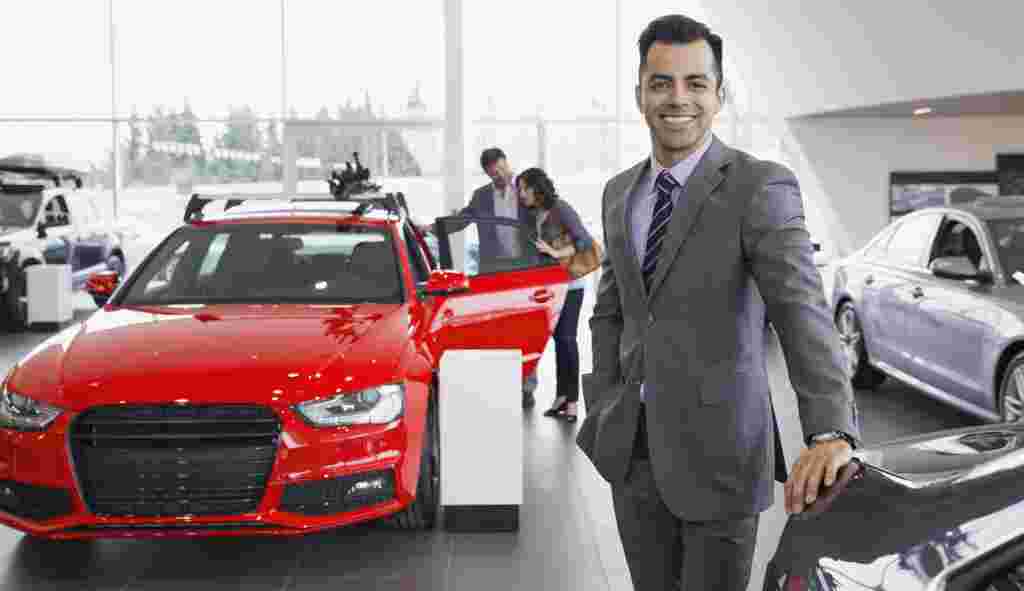
Gone are the days when car dealerships were solely about flashy advertisements and hard-selling tactics. The auto dealer of today plays a multifaceted role, balancing consumer education, digital transformation, and personalized customer service—all while navigating an ever-changing automotive landscape. As the industry moves forward with rapid technological advances, changing consumer preferences, and environmental concerns, auto dealers are no longer just gatekeepers to new vehicles. They have become experience curators, technology consultants, and sustainability advocates.

The Changing Expectations of Today’s Car Buyer

Modern consumers enter the dealership more informed than ever. With extensive research conducted online before stepping foot in a showroom, customers now expect auto dealers to offer insight rather than sales pitches. Transparency, efficiency, and digital convenience have become fundamental pillars in delivering a seamless automotive purchase experience.

What Today’s Buyers Demand:

  • Digital Convenience: Buyers expect online inventory browsing, financing pre-approvals, and even home delivery options.

  • Product Knowledge: Consumers look for dealers who understand advanced vehicle technologies, including hybrid and electric powertrains, autonomous features, and connectivity solutions.

  • Trust and Transparency: From pricing to warranties, clarity is key. Hidden fees and vague contracts are red flags for the modern buyer.

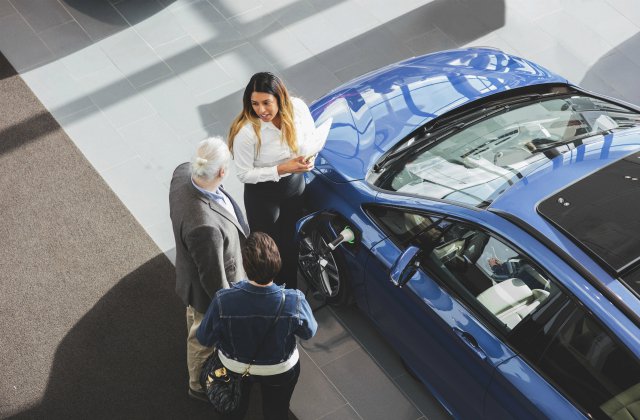
  • Personalized Experience: Tailored recommendations, vehicle demonstrations, and post-sale support distinguish premium dealerships from mediocre ones.

Digital Transformation in the Auto Dealership Landscape

The auto industry has witnessed a massive digital overhaul in recent years, and dealerships are racing to adapt. E-commerce integration, customer relationship management (CRM) systems, and virtual showrooms are no longer optional—they are expected.

How Dealers Are Embracing Technology:

  • Virtual Test Drives and 3D Tours: These immersive tools allow potential buyers to explore vehicles from the comfort of their homes.

  • Online Financing Platforms: Many dealers now provide secure portals for submitting loan applications, getting credit approvals, and calculating EMIs.

  • CRM Systems for Better Engagement: Intelligent software solutions help auto dealers manage relationships, track interactions, and ensure timely follow-ups.

  • Data Analytics: Dealers leverage customer data to personalize offers, understand preferences, and forecast sales trends.

Electric Vehicles and Sustainability: A New Selling Frontier

As governments push for carbon neutrality and automakers invest heavily in electric vehicle (EV) platforms, dealerships find themselves at the forefront of the green revolution. However, selling an EV requires more than product placement—it demands education.

Dealerships as EV Educators:

  • Charging Infrastructure Advice: Explaining how and where to charge, and recommending compatible home charging setups.

  • Incentive Navigation: Helping customers understand federal, state, or local subsidies, tax rebates, and trade-in benefits.

  • Range Confidence: Addressing the most common concern about EVs—range anxiety—by offering real-world examples and statistics.

  • Sustainable Practices: Leading by example through eco-friendly dealership designs, solar-powered showrooms, and reduced paper usage.

Customer Relationships: The Cornerstone of Long-Term Success

A successful auto dealer understands that the journey doesn’t end with a sale. Building lasting relationships through exceptional service and honest engagement is what creates loyalty and turns first-time buyers into lifelong clients.

Pillars of Strong Dealer-Customer Relationships:

  • Post-Sale Support: Regular check-ins, maintenance reminders, and service discounts show that the relationship continues beyond the handover.

  • Community Involvement: Hosting local events, supporting charities, or participating in community drives can enhance a dealer’s local presence and trust.

  • Transparency in Service: Offering video diagnostics, clear invoicing, and proactive service explanations reduces friction and boosts confidence.

  • Feedback-Driven Culture: Inviting customer feedback and acting on it helps improve services and demonstrates responsiveness.

Challenges Facing Today’s Auto Dealers

Despite these innovations, the auto dealership world is not without its share of hurdles. Global supply chain disruptions, fluctuating consumer demand, and fierce competition from direct-to-consumer models have forced dealers to stay nimble.

Primary Challenges:

  • Inventory Shortages: Delays in manufacturing or shipping can lead to reduced availability, making inventory management more critical than ever.

  • Price Sensitivity: With inflationary pressures, consumers are more cautious, requiring dealers to craft compelling value propositions.

  • Direct Sales Models: Automakers like Tesla and Rivian bypass traditional dealerships, challenging the conventional franchise model.

  • High Operational Costs: From marketing to employee training, managing overheads while staying innovative remains a constant balancing act.

Future Outlook: Redefining the Auto Dealer Role

As the automotive ecosystem evolves, so too must the dealer’s identity. The dealership of the future will likely function as a hybrid hub—part tech center, part customer experience lounge, and part sustainability showcase.

What the Future Holds:

  • Subscription Models: Instead of ownership, consumers may opt for flexible subscriptions, requiring dealers to offer new leasing and sharing solutions.

  • AI Integration: Chatbots, predictive maintenance alerts, and AI-assisted sales tools will become more common.

  • Green Certifications: Dealers may be rated on eco-friendly operations, encouraging industry-wide sustainable practices.

  • Omni-Channel Presence: A seamless blend of in-person and online interactions will define how future customers shop for cars.

Conclusion: The Sophisticated Art of Auto Dealership

The role of an auto dealer is no longer transactional—it is transformational. From guiding customers through a complex web of choices to acting as the bridge between innovation and accessibility, modern dealerships have evolved into essential players in the automotive ecosystem. Those that embrace change with grace, foster genuine relationships, and lead with integrity will not only survive but thrive in this dynamic landscape. As vehicles grow smarter and consumers grow savvier, the dealer’s role will continue to be indispensable—provided it keeps pace with the ever-shifting road ahead.

What is your reaction?

Excited
0
Happy
0
In Love
0
Not Sure
0
Silly
0

You may also like

More in:Auto Dealer